
Access Control Systems for Modern Residential, Commercial & Hospitality Projects
Discover access control systems designed for centralized access management and secure entry across residential, commercial, and hospitality environments.
Our solutions cover door access control and biometric authentication, supporting OEM/ODM customization for integrators, contractors, developers, and distributors.
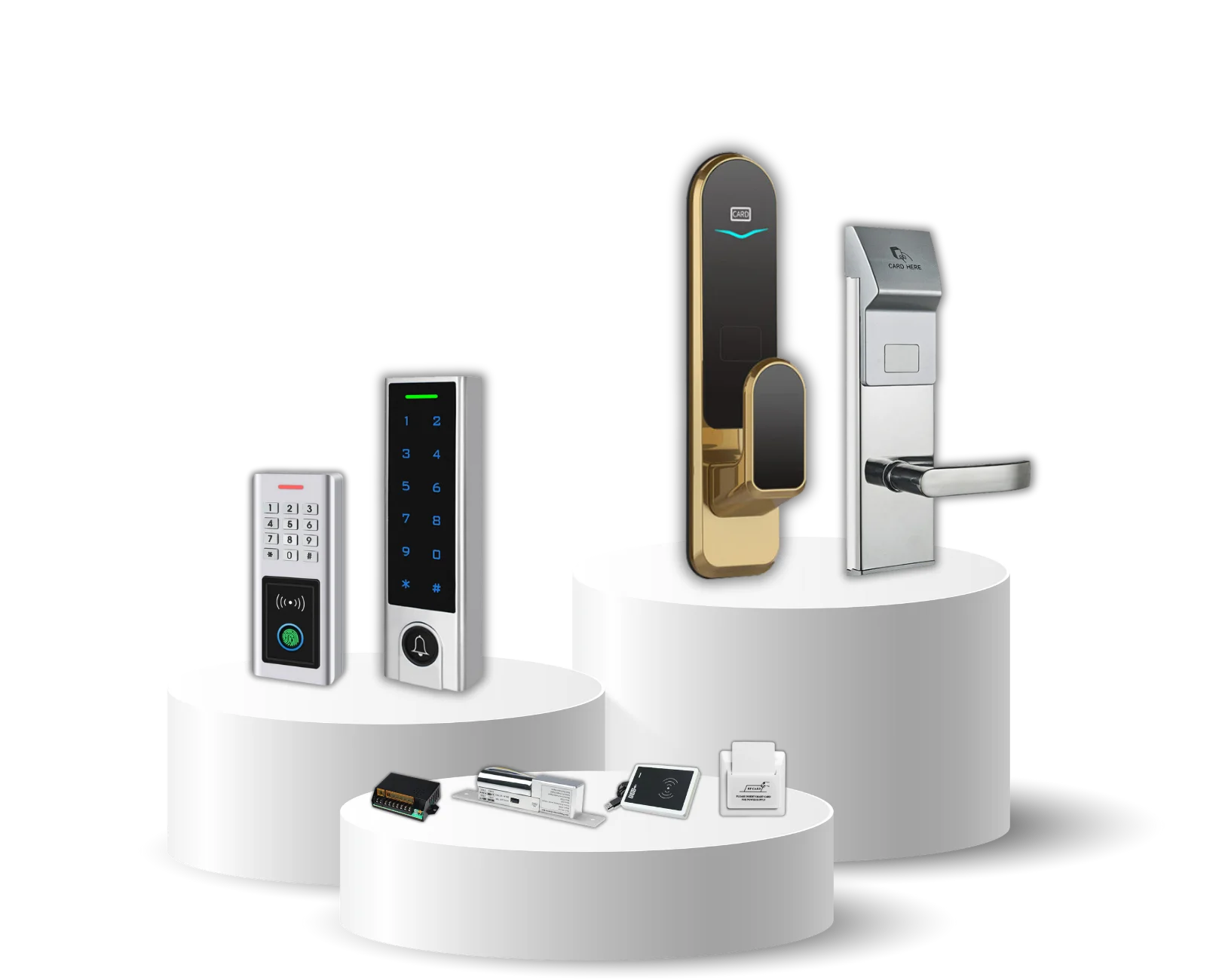
Why Choose Access Control Systems for Modern Residential, Commercial & Hospitality Projects
Centralized Security Management
Managing access across multiple doors, users, and locations is inefficient with standalone locks, while access control systems enable centralized security management, real-time permissions, and unified access control administration.
Scalable Multi-Door Access Control
As buildings expand in size and complexity, traditional door locking methods lack scalability, whereas door access control systems support multi-door control, role-based access, and flexible expansion across residential and commercial environments.
Advanced Authentication & User Security
Conventional keys and cards present security risks, while biometric access control systems enhance user verification through fingerprint, facial recognition, and credential-based authentication for higher security and accountability.
System Integration & Industry Applications
Modern projects require access control technologies that integrate with building systems and industry workflows, as access control systems support integration with hotel management systems, commercial security platforms, and centralized control software.
Access Control Systems Series for Different Door Types & Applications
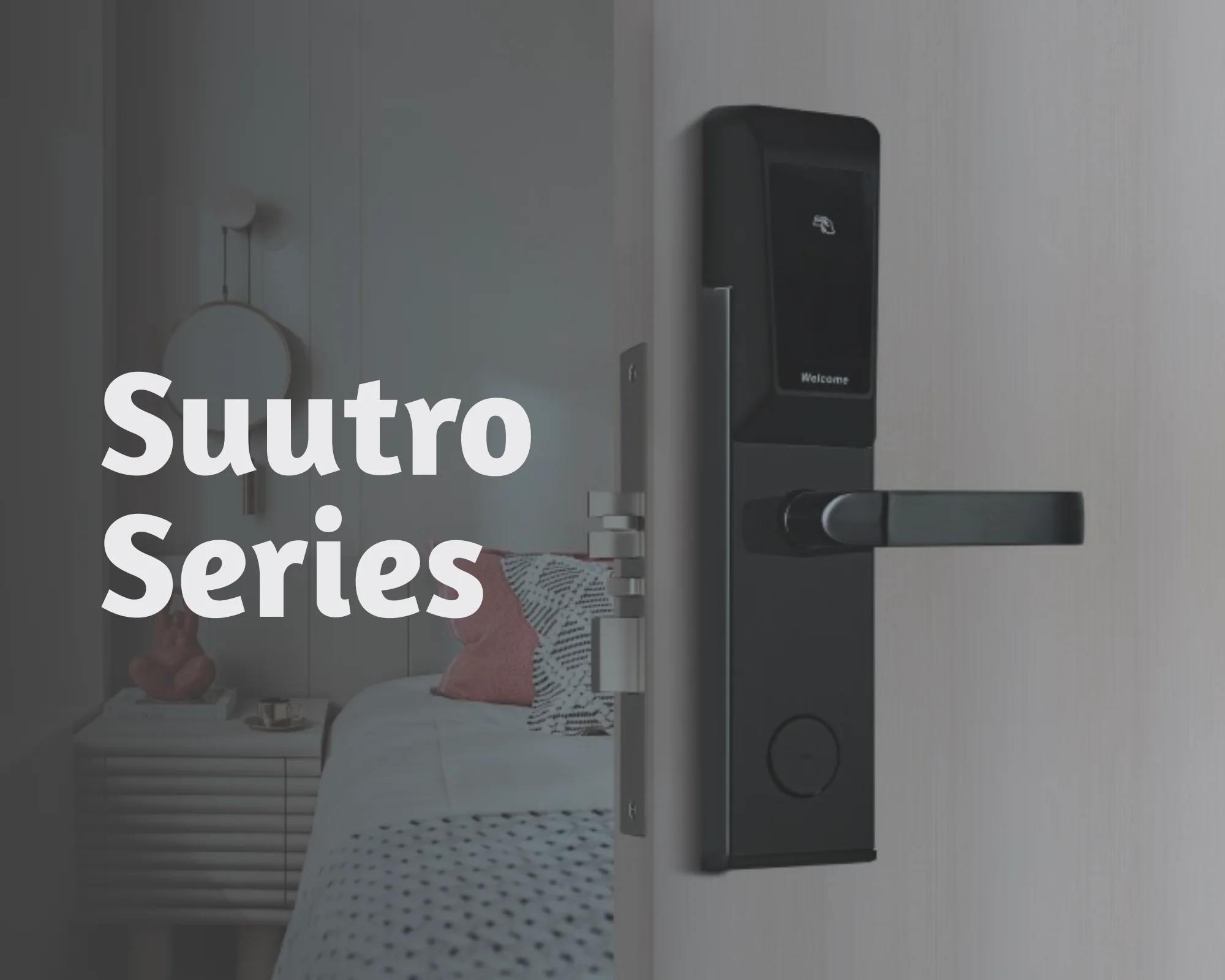
Suutro Series — Hotel Access Control Systems
Designed for hotel and hospitality projects, Suutro access control systems integrate smart hotel door locks, centralized access management, and guest credential control, supporting scalable room management, operational efficiency, and seamless integration with hotel management systems.
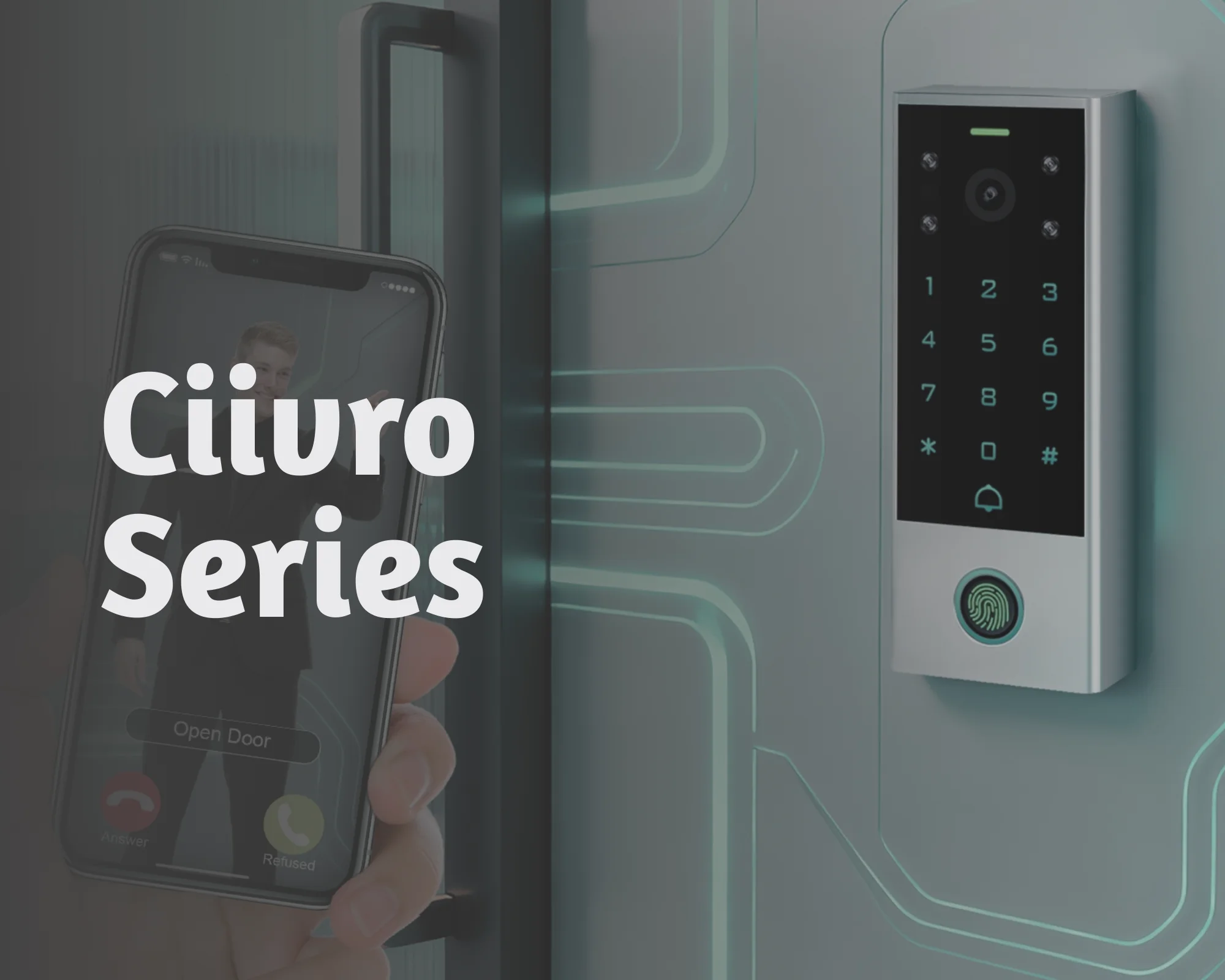
Ciivro Series — Residential & Commercial Access Control Systems
Built for residential and commercial environments, Ciivro access control systems deliver flexible door access control, user management, and scalable system architecture, supporting offices, apartments, retail spaces, and mixed-use building projects.
Core Features of LEROND Access Control Systems
Multi-Door Access Control Architecture
Supports single & multi door access control architectures, enabling centralized management of multiple access points, user groups, and permission levels across residential, commercial, and hospitality access control systems.
Flexible Authentication & Options
Supports multiple authentication methods including cards, PIN codes, mobile credentials, and biometric access control technologies, allowing flexible credential selection based on security level, user type, and projects.
Centralized Management & Software
Designed with centralized access control management software, enabling real-time user administration, permission updates, event monitoring, and access logs for efficient system operation and security oversight.
System Integration & Connectivity
Supports system-level integration with building security platforms, hotel management systems, and third-party software through standard interfaces, enabling access control systems to operate as part of a unified building ecosystem.
Security Protection & Reliability
Built with secure communication protocols, anti-tamper protection, and stable system logic to ensure reliable access control operation, reducing security risks and supporting continuous use in commercial and project-based environments.
Scalable Design for Project Deployment
Designed for scalable deployment, access control systems support phased installation and long-term project growth, making them suitable for offices, hotels, residential complexes, and mixed-use developments.
Access Control Systems Recommendation

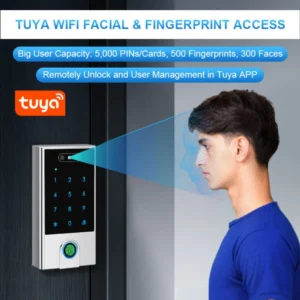
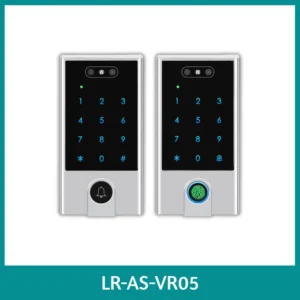
Keypad Access Control System with Touchless Entry Options
RFID Card Access Control System with Secure Card Readers
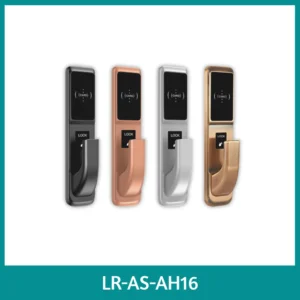
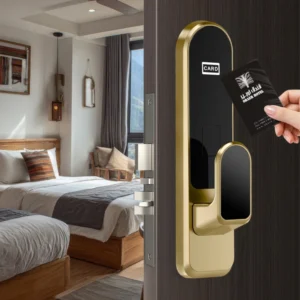
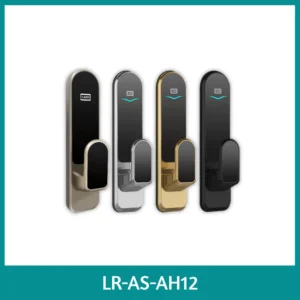
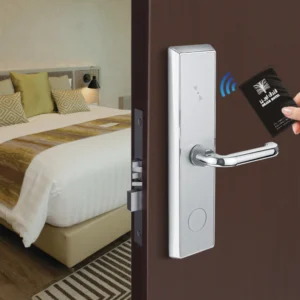
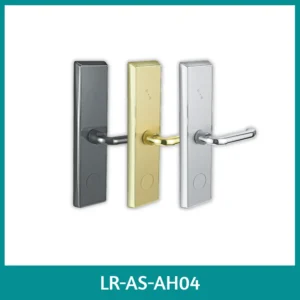
Hotel Room Security Locks for Enhanced Guest Safety
Hotel Smart Locks for Keyless Guest Access
Electronic Hotel Door Locks for Modern Hotel Operations
Biometric Access Control System with Fingerprint Readers
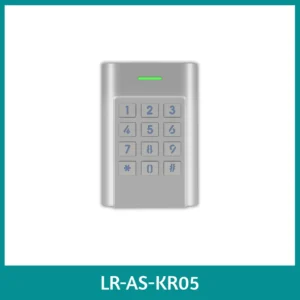
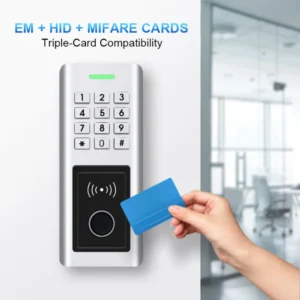
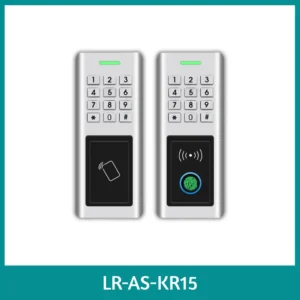
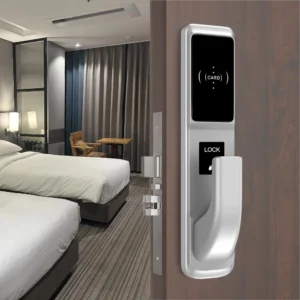
Workflow of Supplying Access Control Systems
Pilot Proposal
A tailored pilot proposal outlining techniques required, pricing options, and a clear roadmap to ensure full alignment before sampling.
Sample Approval
Samples produced according to confirmed specifications for functional testing, design refinement, and final approval before mass production.
Production & Schedule
Optimized production planning with transparent scheduling, stable lead times, and continuous updates to keep your project on track.
Quality Inspection
Strict multi-step quality inspections covering materials, assembly, and performance to guarantee every expected standards.
Packaging & Shipping
Secure export-grade packaging and coordinated global shipping solutions to ensure safe delivery and smooth customs clearance.
Frequently Asked Questions
What types of access control systems does LEROND provide?
LEROND provides scalable access control systems covering door access control, biometric authentication, and centralized management architectures. Our product range supports residential, commercial, and hospitality projects, including hotel access control systems and multi-door commercial deployments.
Are LEROND access control systems suitable for commercial and hotel projects?
Yes. Our access control systems are designed for project-based environments such as office buildings, hotels, apartments, and mixed-use developments. They support centralized access management, multi-user permissions, and integration with commercial security platforms and hotel management systems.
Can access control systems be integrated with existing building or hotel management systems?
LEROND access control systems support system-level integration with building security platforms, access management software, and hotel management systems. This allows access control to operate as part of a unified building ecosystem rather than a standalone system.
What authentication methods are supported by LEROND access control systems?
Our access control systems support multiple authentication options, including cards, PIN codes, mobile credentials, and biometric access control technologies such as fingerprint and facial recognition, enabling flexible security configurations for different project requirements.
Can LEROND provide OEM/ODM customization for access control projects?
LEROND offers OEM/ODM customization for access control systems, including hardware configuration, credential methods, system architecture, and branding. This allows integrators, developers, and distributors to align access control solutions with specific market and project needs.
How are access control systems managed and maintained after installation?
LEROND access control systems are managed through centralized access control management software, enabling administrators to control user permissions, monitor access events, and maintain system performance across residential, commercial, and hotel environments.
What industries or project types commonly use LEROND access control systems?
LEROND access control systems are commonly used in commercial office buildings, hotels, residential complexes, retail spaces, and mixed-use developments where secure access management, scalability, and system integration are required.
Access Control Systems – The Definitive Guide for Modern Residential, Commercial & Hospitality Projects
Access control systems vary widely in architecture, authentication methods, and management models, ranging from standalone door access control to fully centralized and networked systems. This definitive guide explains how modern access control systems work, the different access control technologies and system components involved, deployment considerations for residential, commercial, and hotel environments, and how to select the right access control solution for project-based applications. It is intended for integrators, developers, consultants, and project decision-makers seeking a practical and structured understanding of access control systems.
What Is an Access Control System
An access control system is a security solution designed to manage and regulate who can enter or exit specific doors, areas, or buildings. Unlike traditional mechanical locks, access control systems operate at a system level, combining electronic hardware, control logic, and management software to provide controlled, auditable, and scalable access management for residential, commercial, and project-based environments.
Definition of an Access Control System
An access control system is an electronic security system that authorizes, manages, and records access to physical spaces based on predefined permissions. It determines who is allowed to access which door or area, at what time, and under what conditions, using credentials such as cards, PIN codes, biometric data, or mobile authentication.
In modern buildings, access control systems serve as the foundation of physical security, enabling centralized management, permission-based access, and real-time monitoring across single or multiple sites.
Access Control Systems vs Traditional Locking Solutions
Traditional locking solutions rely on mechanical keys and standalone locks, offering limited control and no centralized visibility. Once a key is lost or copied, security risks increase significantly.
Access control systems replace or enhance mechanical locks with electronic authorization, allowing administrators to grant, modify, or revoke access rights without changing physical hardware. This system-based approach improves security, operational efficiency, and accountability, especially in environments with frequent user changes or multiple access points.
Core Purpose of Access Control Systems
The primary purpose of an access control system is to control access, reduce unauthorized entry, and improve security management efficiency. Beyond basic door unlocking, modern systems also support:
Permission-based access control
Time schedules and access rules
Event logging and audit trails
Centralized or remote management
These capabilities make access control systems essential for organizations seeking structured, compliant, and scalable security solutions.
Physical Access Control vs Logical Access Control
Access control can be broadly divided into physical access control and logical access control.
Physical access control focuses on securing physical spaces such as doors, gates, elevators, and restricted areas using electronic locks and access readers. Logical access control, on the other hand, governs access to digital systems and data.
This guide focuses specifically on physical access control systems, which are commonly deployed in buildings, facilities, and infrastructure projects.
Typical Environments Where Access Control Systems Are Used
Access control systems are widely used across different building types and industries, including:
Residential buildings and gated communities
Office buildings and commercial facilities
Hotels, serviced apartments, and hospitality projects
Industrial sites, warehouses, and factories
Educational campuses and multi-site facilities
In these environments, access control systems provide a structured way to manage people flow, enhance security, and support operational management.
Why Access Control Systems Are Considered System-Level Solutions
Unlike single-point security devices, access control systems are designed as integrated systems. They connect multiple doors, users, and locations under unified control logic and management software.
This system-level design allows access control solutions to scale from a single door to hundreds of access points, integrate with other building systems, and adapt to evolving security and operational requirements over time.
Core Components of Access Control Systems
Access control systems are composed of multiple interconnected components working together to manage authorization, authentication, and door operation. Rather than relying on a single device, modern access control solutions combine hardware, controllers, communication networks, and management software to deliver scalable, centralized, and secure access management across different building types and project sizes.
Access Control Credentials & Authentication Methods
Credentials are the foundation of user identification within an access control system. They define how users authenticate themselves before access is granted.
Common authentication methods include key cards, PIN codes, mobile credentials, and biometric identifiers such as fingerprints, facial recognition, or palm vein recognition. In commercial and hospitality projects, multi-factor authentication is often deployed to enhance security and prevent unauthorized access.
Flexible credential support allows access control systems to adapt to different security levels, user volumes, and operational requirements.
Access Control Readers & Input Devices
Access control readers are the physical interfaces where users present their credentials. These devices verify authentication data and transmit it to the control unit for authorization decisions.
Typical access readers include card readers, keypad readers, biometric terminals, and QR or mobile-based readers. In modern deployments, readers are designed for both indoor and outdoor use, supporting vandal resistance, environmental durability, and stable performance in high-traffic areas.
Reader selection directly impacts user experience, security level, and long-term system reliability.
Electronic Locks & Door Hardware
Electronic locks serve as the execution component of an access control system, physically securing or unlocking doors based on authorization signals.
These locks may include smart door locks, electric strikes, magnetic locks, or motorized locking mechanisms, depending on door type and application scenario. In hotel and commercial projects, locks must balance security, durability, noise control, and compatibility with fire safety and emergency regulations.
Proper matching between electronic locks and access control logic ensures stable operation across different door materials and usage frequencies.
Access Control Panels & Controllers
Access control panels or controllers act as the “brain” of the system. They receive authentication data from readers, process access rules, and send control signals to locks and other devices.
Controllers manage permission logic, time schedules, user groups, and door states. In distributed systems, multiple controllers can operate independently while remaining centrally managed, ensuring system stability even during network interruptions.
Controller performance and architecture play a critical role in system scalability and project-level reliability.
Management Software & Centralized Platforms
Management software provides centralized visibility and control over the entire access control system. It enables administrators to configure permissions, manage users, monitor door status, and review access logs in real time.
In commercial buildings and hotels, centralized platforms support multi-site management, role-based administration, and integration with other property or building management systems. Software-driven control significantly reduces operational workload and improves security oversight.
This software layer differentiates access control systems from standalone electronic locks.
Communication Infrastructure & System Connectivity
Reliable communication is essential for access control system stability. Components may communicate via wired connections, network-based protocols, or secure wireless communication, depending on project requirements.
Modern access control systems are designed to support integration with building automation systems, security platforms, and third-party management software. Stable connectivity ensures consistent authorization, event synchronization, and real-time system monitoring across all access points.
Power Supply, Backup & Emergency Support
Power management is a critical but often overlooked component of access control systems. Systems may use centralized power supplies, localized power units, or battery-backed configurations to ensure continuous operation.
Backup power and emergency unlocking mechanisms are essential for maintaining safety compliance during power failures or emergency situations. Well-designed access control systems balance security continuity with regulatory and life-safety requirements.
Types of Access Control Systems
Access control systems can be classified in several ways based on system architecture, authentication method, and management model. Understanding these different types helps system integrators, consultants, and project owners select the most suitable access control solution based on security requirements, building scale, and operational complexity.
Standalone Access Control Systems
Standalone access control systems operate independently at each door without centralized management. Access rules are stored locally within the lock or reader, making them suitable for small-scale installations with limited users and simple access requirements.
These systems are commonly used in residential buildings, small offices, or low-complexity commercial environments where cost control and easy installation are prioritized over centralized monitoring and scalability.
Centralized Access Control Systems
Centralized access control systems connect multiple doors to a central management platform. All access permissions, schedules, and user credentials are managed through a unified control interface.
This architecture is widely adopted in commercial buildings, office complexes, and hospitality projects where centralized administration, auditability, and system consistency are essential. Centralized systems provide stronger security oversight and simplified access management across multiple access points.
Distributed Access Control Systems
Distributed access control systems balance centralized management with localized decision-making. Controllers installed near doors can continue operating independently even if network connectivity is temporarily lost.
This type of system is commonly deployed in large-scale projects, multi-building campuses, and critical infrastructure environments where reliability, scalability, and operational continuity are required.
Card-Based Access Control Systems
Card-based access control systems use RFID or smart cards as primary credentials. Users present cards to access readers to gain entry based on predefined permissions.
These systems are widely used in office buildings, schools, and hotels due to their ease of use, low cost, and efficient user management. Card-based systems also support rapid credential issuance and deactivation, making them suitable for high-turnover environments.
Biometric Access Control Systems
Biometric access control systems authenticate users based on unique biological characteristics such as fingerprints, facial recognition, or palm vein patterns.
By eliminating shared credentials, biometric systems significantly enhance security and reduce risks associated with lost or duplicated access cards. They are commonly deployed in commercial buildings, data centers, industrial facilities, and high-security hospitality areas.
Mobile & Cloud-Based Access Control Systems
Mobile and cloud-based access control systems leverage mobile applications and cloud platforms to manage access permissions remotely.
These systems allow administrators to manage users, issue credentials, and monitor access events without on-site servers. Cloud-based models are increasingly adopted in modern commercial buildings and multi-site operations, offering flexibility, scalability, and reduced IT infrastructure requirements.
Hotel Access Control Systems
Hotel access control systems are specifically designed for hospitality environments, integrating electronic door locks with centralized hotel management platforms.
These systems support room-based access control, staff permissions, guest lifecycle management, and integration with property management systems. Hotel access control solutions prioritize reliability, operational efficiency, and seamless guest experience while maintaining high security standards.
How Access Control Systems Work
Access control systems operate through a structured workflow that verifies user identity, evaluates authorization rules, and controls door hardware accordingly. This process integrates credentials, readers, controllers, locks, and management software into a unified system that ensures secure, auditable, and efficient access management across different building environments.
User Authentication & Credential Verification
The access control process begins when a user presents a credential to an access reader. This credential may be a card, PIN code, biometric identifier, or mobile-based authentication.
The reader captures the credential data and transmits it securely to the system controller for verification. Authentication accuracy and response speed at this stage directly impact user experience and overall system efficiency.
Authorization Logic & Access Rules Evaluation
Once a credential is verified, the system evaluates predefined access rules to determine whether entry should be granted.
Authorization logic considers factors such as user role, access permissions, door location, time schedules, and special conditions. This rule-based evaluation allows organizations to implement structured and flexible access policies aligned with operational and security requirements.
Controller Decision & Door Command Execution
After authorization rules are evaluated, the controller makes a real-time access decision.
If access is approved, the controller sends a command to the electronic lock or door hardware to unlock for a predefined duration. If access is denied, the door remains secured and the event is logged. Controller reliability and processing speed are critical for stable system operation, especially in high-traffic environments.
Door Operation, Monitoring & Feedback
During door operation, the system monitors door status through sensors or feedback mechanisms.
This monitoring allows the system to confirm whether doors are properly opened, closed, or left ajar. Real-time door status feedback enhances security management and supports alarm triggering, reporting, and operational diagnostics in commercial and hospitality environments.
Event Logging & Audit Trail Management
Every access attempt is recorded by the system, regardless of whether access is granted or denied.
These logs form a comprehensive audit trail that can be reviewed for security analysis, compliance reporting, and operational optimization. Audit data is especially important in commercial buildings, hotels, and regulated environments where accountability and traceability are required.
Centralized Management & Remote Administration
Access control systems enable centralized or remote administration through management software or cloud platforms.
Administrators can add or remove users, modify access rules, monitor door status, and review access events without physically visiting each door. This centralized control significantly reduces management workload and improves response efficiency in multi-door or multi-site deployments.
Integration with Other Building & Security Systems
Modern access control systems often operate as part of a broader building security and automation ecosystem.
They can integrate with surveillance systems, alarm systems, elevators, and building management platforms. This integration enables coordinated responses, such as triggering alarms, controlling elevators, or initiating emergency procedures based on access events.
Key Features of Access Control Systems
Modern access control systems offer a wide range of features designed to enhance security, improve operational efficiency, and support scalable access management. These system-level capabilities enable access control solutions to adapt to different building types, user volumes, and project requirements across residential, commercial, and hospitality environments.
Centralized Access Management
Access control systems enable centralized management of multiple doors, users, and access rules through a unified platform.
Administrators can configure permissions, manage credentials, and monitor door status from a single interface. Centralized access management reduces operational complexity and ensures consistent security policies across buildings or sites.
Flexible Authentication Methods
Modern access control systems support multiple authentication methods, including cards, PIN codes, mobile credentials, and biometric verification.
This flexibility allows organizations to deploy different authentication levels based on security requirements, user roles, and application scenarios. Multi-method support also improves user convenience and system adaptability.
Role-Based Access Control & Permission Logic
Role-based access control allows administrators to assign permissions based on user roles rather than individual users.
This structured permission logic simplifies access management in environments with large user volumes, such as office buildings, hotels, and commercial facilities. Role-based control improves security consistency and reduces configuration errors.
Time Scheduling & Access Rules
Access control systems support detailed time schedules and access conditions.
Permissions can be defined based on time of day, day of week, or specific dates. Time-based access rules are essential for managing staff shifts, temporary access, and restricted zones in commercial and hospitality projects.
Real-Time Monitoring & Event Logging
Access control systems provide real-time monitoring of door status and access events.
All access attempts are recorded, creating comprehensive logs for audit, compliance, and security analysis. Real-time visibility enables faster response to unauthorized access attempts or system anomalies.
Scalability & System Expansion
Access control systems are designed to scale from small installations to large multi-door, multi-site deployments.
Additional doors, users, or controllers can be added without restructuring the entire system. This scalability makes access control solutions suitable for growing organizations and long-term building projects.
System Integration & Open Architecture
Modern access control systems support integration with other building and security systems.
Open architecture and standardized interfaces allow access control to work alongside surveillance, alarms, elevators, and building management systems. Integrated systems improve operational coordination and overall building intelligence.
Access Control Systems for Different Applications
Access control systems are applied across a wide range of building types and industries. Each application scenario presents unique security, operational, and management requirements. Selecting the right access control solution depends on building scale, user behavior, and integration needs within the overall security and management ecosystem.
Residential Buildings & Gated Communities
In residential environments, access control systems enhance security while maintaining convenience for residents and visitors.
These systems manage access to main entrances, shared facilities, and restricted areas, supporting credential-based entry and centralized administration. Residential access control solutions are designed for stable daily operation, simple user management, and integration with smart home or property management platforms.
Commercial Office Buildings
Commercial office buildings require structured access management for employees, visitors, and service personnel.
Access control systems support role-based permissions, time schedules, and centralized monitoring across multiple doors and floors. Integration with attendance systems, elevators, and security platforms helps organizations improve operational efficiency and workplace security.
Hotels, Resorts & Hospitality Projects
In hospitality environments, access control systems play a critical role in both security management and guest experience.
Hotel access control solutions integrate electronic door locks with centralized management platforms, enabling efficient guest check-in and check-out, staff access control, and real-time room status management. Reliability, ease of operation, and system integration are essential for hotel projects of all sizes.
Retail, Commercial Facilities & Mixed-Use Buildings
Retail and mixed-use buildings require flexible access control to manage different tenant spaces, staff access, and public areas.
Access control systems enable segmented permissions, time-based rules, and centralized control across diverse usage scenarios. This flexibility supports security management while accommodating varying operational needs across multiple tenants or functions.
Industrial Sites & Restricted Areas
Industrial facilities and restricted zones demand higher security levels and stricter access control policies.
Access control systems in these environments often incorporate biometric authentication, detailed audit trails, and integration with surveillance or alarm systems. These capabilities help organizations protect critical assets and ensure compliance with safety and security standards.
Multi-Site & Enterprise-Level Deployments
Large organizations and enterprises often operate across multiple locations.
Access control systems designed for multi-site deployments enable centralized management, standardized access policies, and real-time visibility across all sites. This centralized approach improves security consistency and simplifies administrative workflows for large-scale operations.
How to Choose the Right Access Control System
Choosing the right access control system requires a clear understanding of security objectives, building scale, and operational requirements. Rather than focusing on individual devices, system selection should consider architecture, scalability, integration capability, and long-term management efficiency.
Define Security Level & Access Control Requirements
The first step in selecting an access control system is defining the required security level.
Different buildings and zones require different authentication methods and control logic. High-security areas may require biometric authentication and detailed audit trails, while general access points may prioritize convenience and throughput. Clearly defining security requirements helps avoid over-engineering or under-protection.
Evaluate Building Scale & Number of Access Points
Building size and the number of doors directly influence system architecture and controller selection.
Small installations may operate with simplified or standalone systems, while larger projects require centralized or distributed architectures. Evaluating access point volume early ensures the system can scale without redesign or performance limitations.
Consider User Volume & Access Management Complexity
User volume and turnover rate significantly impact system management needs.
Hotels, offices, and commercial facilities often require frequent credential issuance and revocation. Systems with centralized management, role-based access control, and efficient user administration reduce operational workload and minimize errors in high-volume environments.
Assess System Scalability & Future Expansion
Access control systems should support future expansion without major structural changes.
Project owners should consider whether additional doors, buildings, or sites may be added over time. Scalable systems protect long-term investment and reduce total cost of ownership by accommodating growth and evolving security needs.
Review Integration & Compatibility Requirements
Modern buildings often require access control systems to integrate with other platforms.
Compatibility with surveillance systems, alarms, elevators, building management systems, or hotel management software enhances operational efficiency. Selecting systems with open architecture and integration capability improves flexibility and long-term adaptability.
Account for Installation, Maintenance & Support
Installation complexity, maintenance requirements, and technical support availability are critical selection factors.
Systems designed for efficient installation and remote management reduce project timelines and operational costs. Reliable technical support and long-term product availability are especially important for commercial and hospitality projects.
Balance Budget, Lifecycle Cost & ROI
Initial system cost is only one part of the overall investment.
Project owners should consider lifecycle costs, including installation, maintenance, upgrades, and operational efficiency gains. Well-designed access control systems deliver long-term value through improved security, reduced management overhead, and system longevity.
Installation, Maintenance & Lifecycle Considerations
Access control systems are long-term infrastructure investments. Proper installation planning, ongoing maintenance, and lifecycle management are essential to ensure stable operation, security compliance, and optimal return on investment throughout the system’s service life.
Installation Planning & System Design
Successful access control deployment begins with proper system design and installation planning.
This includes door type assessment, hardware compatibility evaluation, cable routing or network planning, and controller placement. Well-planned installations reduce on-site complexity, minimize future modifications, and ensure system stability from day one.
Integration During Installation
Access control systems are often installed alongside other building systems.
Coordinated installation with surveillance, alarm, elevator, and building management systems improves system interoperability and avoids rework. Early-stage integration planning is especially important in commercial and hospitality projects with complex infrastructure requirements.
System Testing & Commissioning
After installation, thorough system testing and commissioning are critical.
Testing ensures that authentication methods, access rules, door operation, and emergency functions perform as designed. Proper commissioning reduces operational risks and ensures the system is fully aligned with project specifications and safety standards.
Ongoing Maintenance & System Monitoring
Regular maintenance helps maintain system reliability and security performance.
This includes hardware inspection, software updates, log reviews, and system health monitoring. Centralized management platforms and remote diagnostics significantly reduce maintenance workload and improve response time in multi-door or multi-site environments.
Security Updates & System Upgrades
Access control systems must adapt to evolving security requirements.
Software updates, firmware upgrades, and credential technology enhancements help protect against emerging security risks. Systems designed with upgradeability in mind extend service life and reduce the need for full system replacement.
Lifecycle Management & Total Cost of Ownership
Lifecycle management considers the system’s performance over its entire operational lifespan.
By evaluating installation costs, maintenance requirements, upgrade paths, and operational efficiency, organizations can optimize total cost of ownership. Access control systems that support scalability and long-term support provide better value for commercial and hospitality projects.
Long-Term Reliability & Vendor Support
Long-term system performance depends on product quality and vendor support.
Reliable access control solutions are backed by stable supply, technical documentation, and professional support. This ensures continuity for system expansion, maintenance, and future upgrades across the system lifecycle.
a taylored proposal from us.
- +86 137 1478 0628