
Smart Home Security Systems for Integrated Door, Window & Perimeter Protection
A unified smart security system combining sensors, video monitoring, and access control to protect doors, windows, and property perimeters across residential and commercial projects.
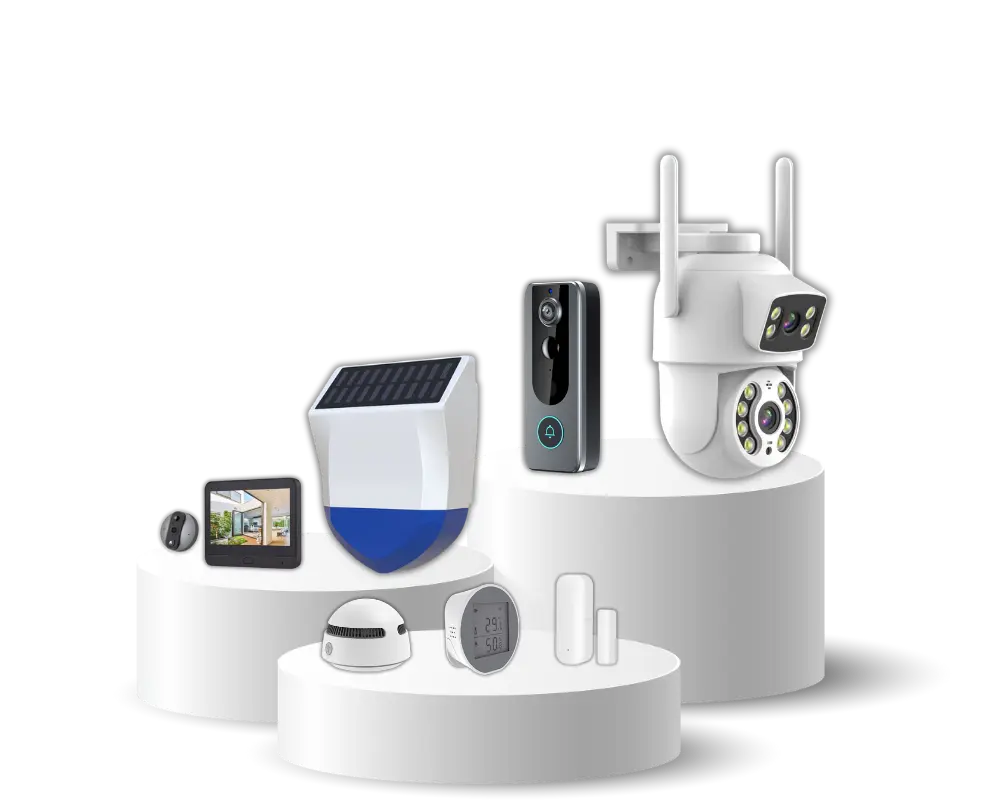
Why Choose Smart Home Security Systems
Unified Protection Across Doors, Windows & Perimeters
Fragmented security devices create blind spots, while smart security systems deliver unified protection by connecting sensors, cameras, and access control into one coordinated security framework.
Real-Time Monitoring & Faster Risk Response
Traditional security setups lack real-time visibility, whereas smart security systems enable continuous monitoring, instant alerts, and faster response to intrusion, unauthorized access, and abnormal events.
Scalable Security for Residential & Commercial Projects
Security requirements evolve with project scale and usage, and smart security systems provide flexible architectures that adapt from residential installations to multi-site commercial and mixed-use buildings.
System-Level Integration with Access & Automation
Modern buildings demand integrated systems rather than isolated devices, and smart security systems seamlessly integrate with access control, smart locks, and building automation platforms.
Smart Home Security Series for Different Applications
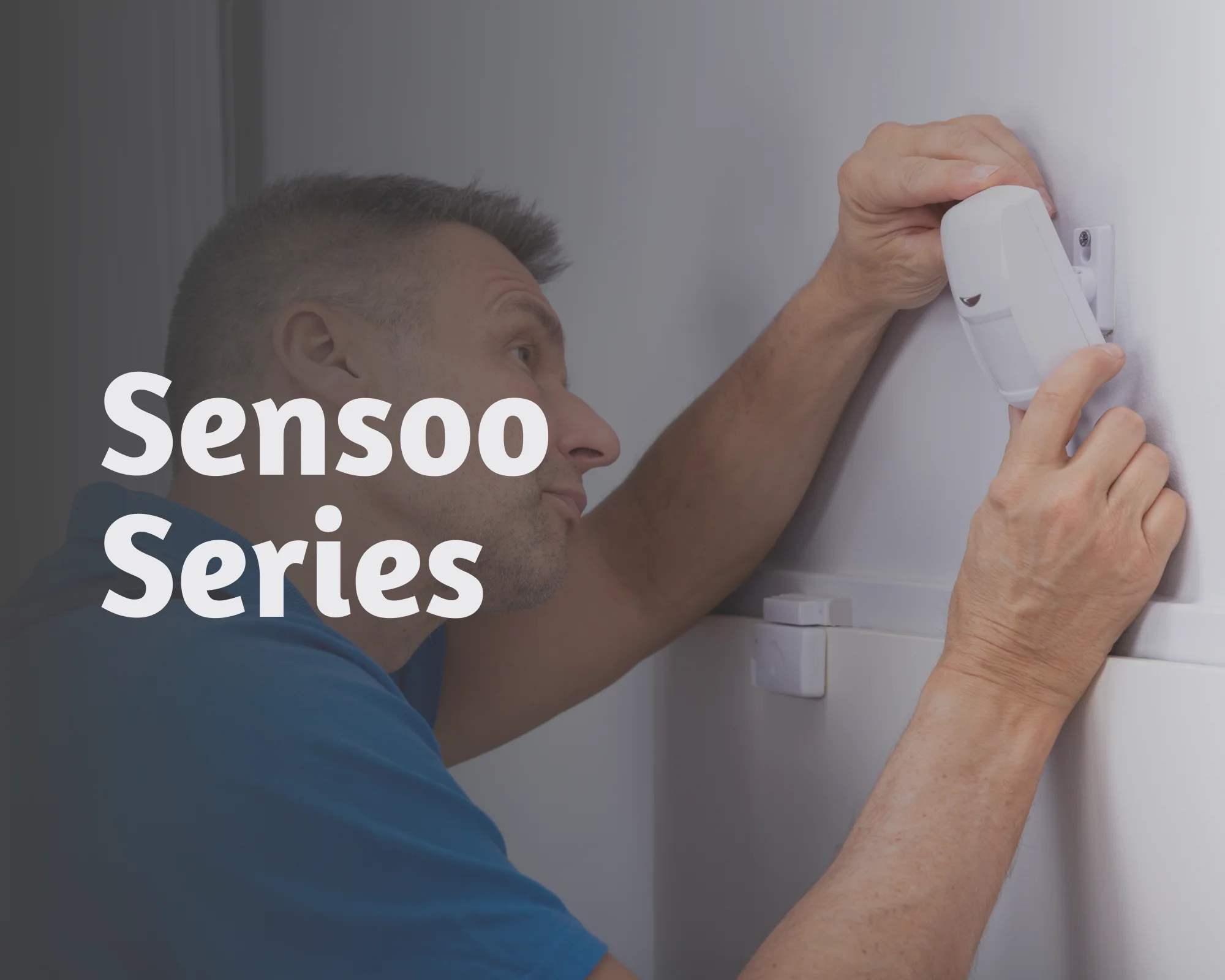
Sensoo Series — Smart Security Sensors
Designed for comprehensive residential and commercial security projects, Sensoo sensors include door/window, smoke, CO, water, motion, and environment monitoring devices. They enable real-time alerts, system integration, and flexible deployment across multi-zone or mixed-use buildings.
Kavee Series — Smart Security Cameras & Video Doorbells
Engineered for both indoor and outdoor residential and commercial installations, Kavee cameras and video doorbells provide high-quality surveillance, intelligent alerts, and seamless integration with LEROND smart security systems and access control platforms.

Core Features of LEROND Smart Home Security Systems
Integrated Sensors & Cameras Security
Combines intrusion sensors, video monitoring devices, and access-related security components into one coordinated smart security system, enabling consistent protection across doors, windows, and perimeter access points.
Real-Time Monitoring & Alerts
Supports real-time security monitoring with intelligent event detection and instant alerts, allowing faster response to intrusion attempts, abnormal access activities, and security incidents across building environments.
Flexible Deployment for Projects
Designed for flexible system deployment, supporting both residential installations and scalable commercial security projects with adaptable device layouts, zone management, and multi-area coverage.
Integration with Access & Automation
Engineered for system-level integration with access control systems, smart door locks, and building automation platforms, enabling unified security management rather than isolated security devices.
Reliable Performance
Incorporates stable communication, fault detection, and system protection mechanisms to ensure reliable security operation, minimizing false alarms and maintaining system stability in long-term projects.
Long-Term System Expansion
Built on a future-proof modular system architecture that supports future expansion, device upgrades, and integration of additional security functions as project requirements evolve over time.
Smart Home Security Recommendation

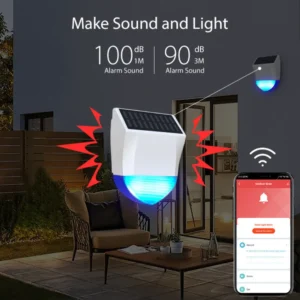
Outdoor Security Alarm Siren for Perimeter Protection
Garage Door Opener Camera for Entry Monitoring
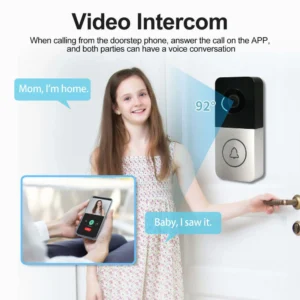
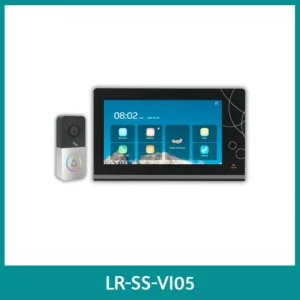
Video Door Intercom System for Residential and Commercial Entrances
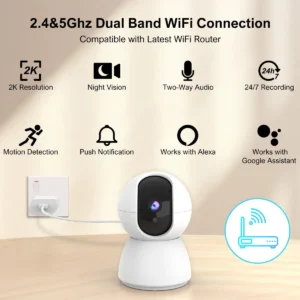
Indoor PTZ Camera with Motion Tracking and Audio
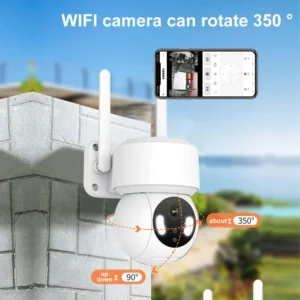
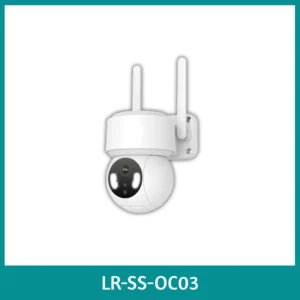
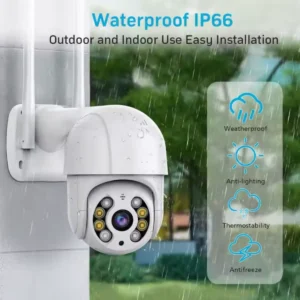
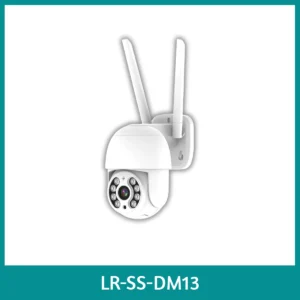
Outdoor PTZ Camera Waterproof with Full-Color Night Vision
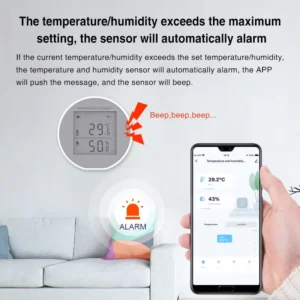
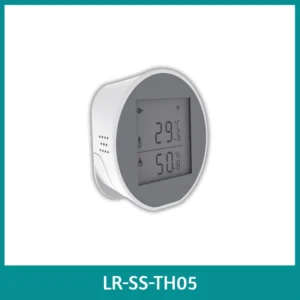
Temperature and Humidity Sensor with Digital Display

Workflow of Supplying Smart Home Security System
Pilot Proposal
A tailored pilot proposal outlining techniques required, pricing options, and a clear roadmap to ensure full alignment before sampling.
Sample Approval
Samples produced according to confirmed specifications for functional testing, design refinement, and final approval before mass production.
Production & Schedule
Optimized production planning with transparent scheduling, stable lead times, and continuous updates to keep your project on track.
Quality Inspection
Strict multi-step quality inspections covering materials, assembly, and performance to guarantee every expected standards.
Packaging & Shipping
Secure export-grade packaging and coordinated global shipping solutions to ensure safe delivery and smooth customs clearance.
Frequently Asked Questions
What types of security systems does LEROND provide for commercial and residential projects?
LEROND offers integrated smart security systems combining sensors, cameras, and access control, designed to cover doors, windows, and perimeter protection for both residential and large-scale commercial buildings.
How can LEROND Smart Security Systems integrate with existing building automation?
Our smart security systems are engineered for system-level integration with access control, smart locks, and building automation platforms, enabling centralized monitoring and coordinated responses across multiple building zones.
Are LEROND security solutions scalable for multi-site or mixed-use developments?
Yes, the modular architecture of LEROND Smart Security Systems allows for easy expansion and adaptation to multi-site commercial properties, mixed-use buildings, or large residential complexes as security requirements evolve.
How do LEROND systems improve real-time monitoring and risk response?
LEROND Smart Security Systems provide continuous monitoring, intelligent event detection, and instant alerts, helping security teams respond quickly to intrusions, unauthorized access, or abnormal events across building projects.
Can LEROND security systems work with different sensor and camera types?
Yes, our systems are compatible with a wide range of intrusion sensors, video monitoring devices, and access control components, allowing tailored configurations to meet specific project requirements.
How does LEROND ensure reliability and long-term performance in large-scale projects?
LEROND Smart Security Systems incorporate stable communication protocols, fault detection, and system protection mechanisms to maintain reliable operation and minimize false alarms in both residential and commercial projects.
Can LEROND security solutions be customized for specific building layouts or compliance standards?
Yes, our smart security systems can be tailored to unique building layouts, zone divisions, and compliance requirements, ensuring both effective protection and adherence to local safety regulations.
The Definitive Guide to LEROND Smart Home Security Systems for Residential & Commercial Projects
Explore how LEROND Smart Home Security Systems integrate sensors, cameras, and access control into unified, scalable solutions for residential, commercial, and mixed-use buildings. This guide helps architects, system integrators, and project managers design, deploy, and manage complete security systems with confidence.
What Is a Smart Home Security System
A smart home security system is an integrated security solution that combines sensors, cameras, alarms, and centralized control to monitor, detect, and respond to security events across residential and commercial buildings. Unlike standalone devices, smart home security systems operate as a coordinated system designed for scalable deployment and centralized management.
Core Components of a Smart Home Security System
A complete smart home security system typically consists of security sensors, surveillance cameras, alarm devices, and a centralized control platform. These components work together to detect events, transmit data, trigger alerts, and enable coordinated system responses rather than isolated device actions.
Difference Between Standalone Devices and Integrated Security Systems
Standalone security devices operate independently and provide limited protection within a single area, while integrated smart home security systems connect multiple devices into a unified platform. This system-level integration improves coverage, reliability, and operational efficiency, especially in multi-zone residential or commercial security projects.
How Smart Home Security Systems Support Modern Building Projects
In modern building projects, smart home security systems support centralized monitoring, flexible system expansion, and seamless integration with access control and automation platforms. This makes them suitable for residential developments, commercial buildings, and mixed-use properties requiring scalable security infrastructure.
Types of Smart Home Security Systems
Smart home security systems can be categorized based on their system architecture and protection strategy rather than individual devices. Different system types address varying security requirements, building layouts, and project scales across residential and commercial applications.
Sensor-Based Smart Security Systems
Sensor-based smart security systems focus on event detection through door and window sensors, motion detectors, smoke, CO, water leak, and environmental sensors. These systems are designed to identify abnormal conditions early and trigger alerts or automated responses, making them suitable for multi-zone indoor protection and safety monitoring.
Camera-Based Smart Security Systems
Camera-based smart security systems emphasize visual monitoring and surveillance through indoor and outdoor security cameras and video doorbells. They support real-time monitoring, event recording, and intelligent alerts, providing enhanced visibility for entrances, perimeters, and shared building spaces.
Hybrid Smart Home Security Systems
Hybrid smart home security systems combine sensors and cameras into a unified platform, enabling both event detection and visual verification. This integrated system approach improves reliability and response efficiency, making hybrid security systems suitable for residential, commercial, and mixed-use building projects.
Scalable Security Systems for Residential and Commercial Projects
Some smart home security systems are designed with scalable architectures that allow flexible expansion from small residential installations to larger commercial or multi-site deployments. Scalability ensures long-term system adaptability as project requirements evolve.
How Smart Home Security Systems Work
Smart home security systems operate through coordinated event detection, data transmission, and system-level response mechanisms. By connecting sensors, cameras, and control platforms, these systems enable real-time monitoring and automated reactions to security events across residential and commercial environments.
Event Detection and Data Collection
Security events are detected through sensors and cameras monitoring doors, windows, motion, environment, and perimeters. Once an event is identified, data is collected and transmitted to the central security platform for further processing and decision-making.
Centralized Processing and System Coordination
The centralized control platform analyzes incoming data and coordinates system behavior across connected devices. This system-level coordination allows multiple security components to respond consistently rather than acting independently.
Real-Time Alerts and User Notification
When predefined conditions are met, smart home security systems generate real-time alerts through mobile applications, control panels, or management platforms. This ensures timely awareness and faster response to potential security incidents.
Automated Responses and System Linkage
Beyond alerts, smart home security systems can trigger automated responses such as activating alarms, recording video, or interacting with access control and automation systems. This linkage improves response efficiency and reduces reliance on manual intervention.
Continuous Monitoring and System Optimization
Smart home security systems support continuous monitoring and system optimization through performance tracking, configuration adjustments, and firmware updates. This ensures long-term system stability and adaptability to evolving security requirements.
Smart Home Security Systems for Different Applications
Smart home security systems are applied across different building types and usage scenarios, requiring flexible system design, scalable deployment, and reliable integration. Application-driven planning ensures security systems meet the operational needs of residential, commercial, and mixed-use projects.
Residential Security Systems
In residential environments, smart home security systems protect entrances, interior spaces, and perimeters through coordinated sensors, cameras, and alert mechanisms. These systems support centralized control, real-time notifications, and flexible expansion for apartments, villas, and residential communities.
Commercial and Office Building Security Systems
Commercial and office buildings require smart home security systems capable of managing multiple zones, access points, and shared spaces. Integrated security platforms support centralized monitoring, incident management, and scalable deployment across offices, retail spaces, and business facilities.
Mixed-Use and Multi-Zone Building Applications
In mixed-use and multi-zone buildings, smart home security systems must coordinate security operations across residential, commercial, and public areas. System-level integration ensures consistent security policies while allowing zone-specific control and management.
Perimeter, Entrance, and Common Area Protection
Smart home security systems are widely used for protecting building perimeters, entrances, and common areas through cameras, sensors, and real-time alerts. This application is essential for enhancing visibility, controlling access points, and reducing security risks in shared environments.
How to Plan a Smart Home Security System
Planning a smart home security system requires evaluating security objectives, building layouts, and long-term system scalability. A well-planned system ensures reliable protection, efficient management, and future expansion across residential and commercial projects.
Define Security Objectives and Coverage Areas
Effective planning starts by defining security objectives and identifying critical coverage areas such as entrances, perimeters, and interior zones. Clear security goals help determine the appropriate system architecture and device allocation for each project.
Select the Right System Architecture
Choosing the appropriate system architecture involves deciding between sensor-based, camera-based, or hybrid security systems. This decision should consider building type, risk level, and operational requirements rather than focusing solely on individual devices.
Consider Scalability and Future Expansion
Smart home security systems should be planned with scalability in mind, allowing future expansion as building usage or security requirements evolve. Scalable system design reduces long-term modification costs and supports multi-phase project development.
Integration with Access Control and Automation Systems
Planning should account for integration with access control, door locks, and building automation platforms. Integrated systems improve operational efficiency by enabling coordinated responses and centralized system management.
Balance Security Performance and Operational Efficiency
An effective smart home security system balances protection performance with operational efficiency. Proper planning avoids unnecessary complexity while ensuring reliable monitoring, response, and long-term system stability.
a taylored proposal from us.
- +86 137 1478 0628