
Automatic Gate Opener Systems for Residential & Commercial Gates
Discover automatic gate opener systems designed for secure, convenient, and fully automated access across residential, commercial, and industrial sites.
Our solutions cover sliding, swing, and garage door operators, supporting OEM/ODM customization for integrators, contractors, developers, installers, and distributors.
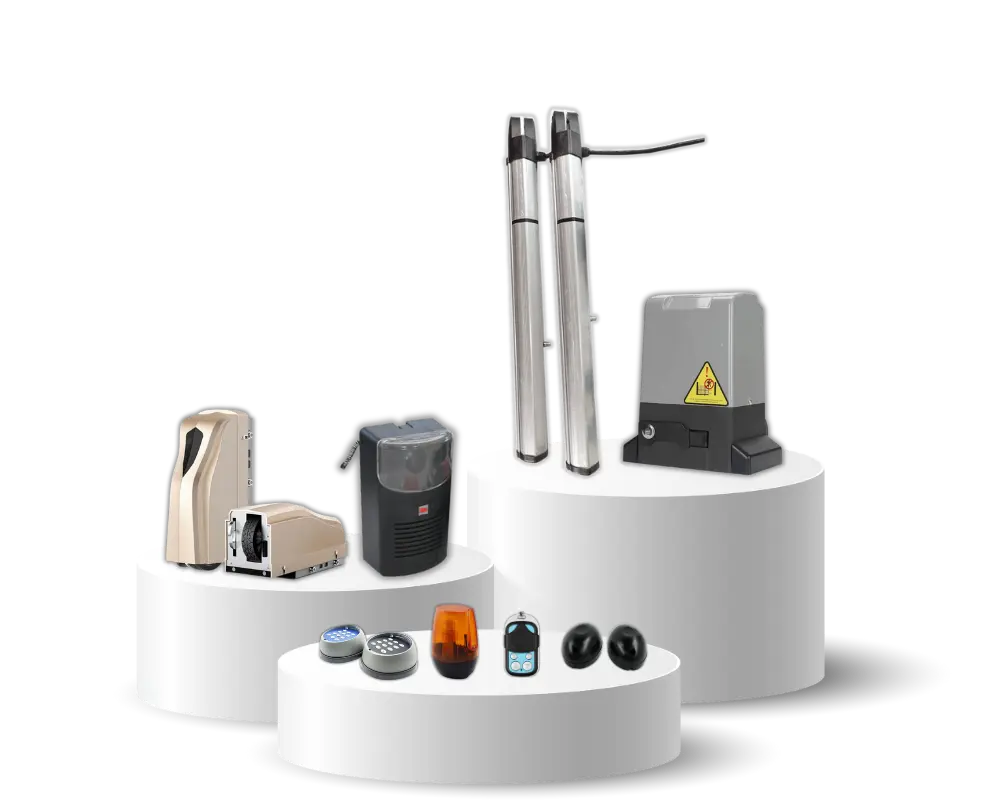
Why Choose Automatic Gate Opener Systems for Modern Residential & Commercial Access
Operation Efficiency
Manual gate operation wastes time and labor, while automatic gate opener systems provide motorized, centralized, and remote control for faster, hassle-free access.
Security & Access Control
Unmonitored or manually operated gates are vulnerable to unauthorized entry, but automatic gate openers integrate secure access methods like keypads, cards, remotes, and smart control for full access management.
Safety & Compliance
Accidents and regulatory risks arise with manual gates, whereas LEROND systems feature obstacle detection, emergency stops, and safety sensors to reduce hazards and meet compliance standards.
System Integration & Automation
Manual gates cannot connect to modern building automation, but automatic gate opener systems easily integrate with smart building, security, and IoT platforms for seamless control and monitoring.
Automatic Gate Opener Systems – The Definitive Guide for Residential & Commercial Access
Automatic gate opener systems are widely used across residential communities, commercial entrances, industrial sites, and perimeter security projects. This definitive guide explains how modern automatic gate opener systems work, the different types of gate operators available—including sliding, swing, and garage door openers—key control and safety technologies, installation considerations, and how to select the right solution for various access scenarios. Ideal for buyers, system integrators, installers, engineers, and project managers seeking a clear and practical understanding of electric gate automation systems.
Executive Overview
Automatic gate opener systems have become an essential part of modern property access, widely used across residential driveways, commercial facilities, and industrial sites. By replacing manual operation with automated control, these systems improve convenience, enhance security, and enable more efficient traffic management.
At a high level, a gate automation system combines mechanical movement with electrical control, allowing users to operate gates through remotes, keypads, or integrated smart platforms. For those new to the topic, Automatic Gate Opener Explained: Types, Applications, and Key Differences provides a clear starting point for understanding how these systems are structured and where they are typically used.
However, not all gate openers work the same way. Different gate structures and usage scenarios require different motor designs and movement mechanisms. Understanding these variations is critical when planning a reliable system. A deeper look at Gate Opener Motor Types Explained: Sliding, Swing, and Underground Systems helps clarify how different motor solutions are applied in real-world installations.
As gate automation continues to evolve, it is no longer just about opening and closing gates. Modern systems increasingly integrate with broader access control and smart environments, making them a key component of connected entrance management.
This guide provides a complete breakdown—from gate types and motor mechanisms to installation, safety, and supplier selection—helping you make informed decisions based on practical applications rather than guesswork.
What Is an Automatic Gate Opener System
An automatic gate opener system is a motorized solution designed to control the opening and closing of gates without manual effort. It combines mechanical components, electrical systems, and control interfaces to create a seamless and secure entry experience.
Core Components of a Gate Opener System
A typical system consists of four main parts:
- Motor unit – provides the driving force to move the gate
- Control board – acts as the system’s brain, processing signals
- Access devices – such as remote controls, keypads, or smart apps
- Safety devices – including photocell sensors and auto-reverse mechanisms
Each component must work together to ensure smooth operation, safety, and durability in outdoor environments. To better understand how these parts interact, it helps to explore How Gate Opener Mechanisms Work: A Practical Guide for Buyers, which explains the movement and transmission principles behind different systems.
Types of Automatic Gate Systems
Automatic gate openers are not one-size-fits-all. The system you choose depends largely on the gate structure and installation environment. The most common configurations include:
- Sliding gate systems for space-saving applications
- Swing gate systems for traditional layouts
- Cantilever systems for uneven or ground-restricted areas
Each type requires a different motor design and installation approach, which is why compatibility is a critical consideration during the planning stage.
Where Gate Automation Is Used
Automatic gate systems are widely applied across different scenarios:
- Residential driveways – for convenience and privacy
- Commercial properties – for controlled access and traffic management
- Industrial sites – for security and perimeter protection
As automation evolves, these systems are increasingly integrated with broader access control and smart building environments, making them more than just a mechanical solution—they are part of a connected infrastructure.
Gate Types & Automation Compatibility
Choosing the right gate opener system starts with understanding the type of gate you are working with. Different gate structures require different automation methods, and mismatching them can lead to poor performance, higher maintenance costs, or even system failure.
Sliding Gate Systems
Sliding gates are one of the most common solutions for properties with limited space. Instead of swinging open, the gate moves horizontally along a track or cantilever system. They are ideal for:
- Narrow driveways
- Sloped terrains (with proper design)
- High-frequency usage environments
However, the choice between track-mounted and cantilever systems can significantly impact installation complexity and long-term reliability. For a deeper comparison, see Cantilever vs Track Sliding Gate: Which System Is Better for Automation?
Swing Gate Systems
Swing gates operate similarly to traditional doors, opening inward or outward on hinges. They are widely used in residential properties due to their aesthetic appeal and relatively simple structure. Key considerations include:
- Available swing space
- Ground slope and alignment
- Wind resistance for larger panels
Swing systems can be configured as single-leaf or double-leaf gates, depending on the width of the entrance. If you are deciding between these configurations, Single vs Double Swing Gate: What Works Best for Your Entrance? provides a practical breakdown.
Sliding vs Swing: Which One Fits Your Project?
The choice between sliding and swing gates is one of the most important early decisions in any automation project. It affects not only the type of motor required but also installation layout, safety configuration, and long-term maintenance. In general:
- Sliding gates are better for space efficiency and heavy-duty use
- Swing gates are preferred for simpler installations and residential aesthetics
If you are unsure which system aligns with your project conditions, Sliding Gate Opener vs Swing Gate Opener: Which One Should You Choose? offers a side-by-side comparison based on real-world scenarios.
Driveway Gate Applications
In residential and light commercial settings, driveway gates represent the most common use case for automation systems. Here, the focus is not only on functionality but also on convenience, security, and integration with daily routines. Factors such as:
- Vehicle traffic frequency
- User access methods
- Property layout
all influence the final system choice. A more detailed breakdown of these decision points can be found in How to Choose the Right Driveway Gate Opener for Your Property.
Why Compatibility Matters
Gate automation is not just about adding a motor—it is about matching the right system to the physical and operational characteristics of the gate. A well-matched system ensures:
- Smooth and stable movement
- Longer equipment lifespan
- Lower maintenance costs
- Safer operation
On the other hand, poor compatibility often results in issues such as motor strain, misalignment, and premature failure.
Understanding gate types is therefore the foundation of any successful automation project. Once the structure is clear, the next step is to explore how different motor mechanisms actually drive these systems.
Gate Opener Mechanisms & Motor Types
Once you have identified the gate type, the next step is selecting the appropriate motor mechanism. This is where many buyers face confusion, as different gate openers use entirely different motion systems depending on the application. Understanding how these mechanisms work will help you choose a system that is not only compatible, but also efficient and durable over time.
Linear Actuators vs Articulated Arm Systems
For swing gates, two of the most common motor types are linear actuators and articulated arm systems.
- Linear actuators push and pull the gate directly along a straight line
- Articulated arms mimic the motion of a human arm, making them suitable for wider pillars or offset hinges
Each has its own advantages:
- Linear actuators offer a cleaner look and stronger force transmission
- Articulated arms provide better flexibility in complex installations
If your gate structure involves wide columns or non-standard hinge positions, understanding the differences becomes critical. See Linear Actuator vs Articulated Arm Gate Opener: Key Differences Explained for a detailed comparison.
Underground vs Surface-Mounted Motors
Another important distinction is whether the motor is installed above ground or concealed below it.
- Surface-mounted motors are easier to install and maintain
- Underground motors offer better aesthetics and protection from external impact
However, underground systems typically require more complex installation and drainage considerations. To evaluate whether the added complexity is justified, refer to Underground Gate Opener vs Surface Motor: Pros and Cons You Should Know.
AC vs DC Motor Systems
Gate openers can also be classified based on their power type:
- AC motors are robust and suitable for heavy-duty or high-frequency use
- DC motors are more energy-efficient and compatible with battery backup or solar systems
Your choice here affects not only performance, but also control flexibility and integration options. For example, DC systems are often preferred in smart or off-grid applications. If you are comparing these options, AC vs DC Gate Opener: Which Motor Type Is Better for Your Application? provides a practical breakdown.
Matching Mechanism to Application
There is no single “best” motor type—only the one that best fits your gate structure and usage conditions. Key factors to consider include:
- Gate size and weight
- Installation geometry
- Frequency of operation
- Environmental exposure
Selecting the wrong mechanism can lead to inefficient operation, increased wear, and higher long-term costs.
Why Mechanism Understanding Matters
For many buyers, motor selection is often overlooked or simplified. However, it is one of the most critical decisions in the entire system. A well-chosen mechanism ensures:
- Smooth and quiet operation
- Optimal force distribution
- Reduced mechanical stress
- Longer system lifespan
As gate automation becomes more advanced, understanding these underlying mechanisms is no longer optional—it is essential for making informed, future-proof decisions.
Load Calculation & Opener Selection
Selecting the right gate opener is not just about choosing a model—it is about matching the system to the physical and operational characteristics of your gate. Incorrect sizing or poor selection can lead to unstable performance, excessive wear, and even system failure over time. This section focuses on how to evaluate key parameters such as gate weight, length, and usage conditions, so you can choose a system that performs reliably in real-world environments.
Gate Weight and Length: The Starting Point
The most critical factor in gate opener selection is the weight and length of the gate. These two variables directly determine the amount of force and motor capacity required. Heavier gates require more powerful motors, but length also plays an important role. A long gate creates additional leverage and resistance, especially in sliding systems, which increases the load on the motor even if the weight itself is moderate. To understand how these factors interact in practical scenarios, refer to How to Choose a Gate Opener Based on Gate Weight and Length, which provides a structured approach to matching gate specifications with appropriate motor capacity.
Motor Capacity and Force Requirements
Beyond basic dimensions, selecting the right opener requires understanding force output and motor capacity. Gate openers are typically rated based on:
- Maximum supported gate weight
- Recommended gate length
- Duty cycle (how often the gate operates)
However, these ratings should not be taken at face value. Environmental resistance—such as wind load, friction, or track condition—can significantly increase the actual force required. For a more precise understanding of how motor capacity translates into real-world performance, see Gate Opener Force and Motor Capacity: A Practical Selection Guide.
Heavy-Duty Applications and High Usage Scenarios
Not all gate systems operate under the same conditions. In commercial or industrial environments, gates may open and close dozens—or even hundreds—of times per day. In these cases, the selection criteria must go beyond basic weight matching and include:
- Duty cycle rating
- Heat dissipation capability
- Structural durability
Heavy-duty systems are specifically designed to handle continuous operation without performance degradation. If your project involves high-frequency usage or large-scale gates, Heavy Duty Gate Opener: How to Select the Right System for Large Gates provides a deeper look into these requirements.
Common Selection Mistakes to Avoid
Even with the right data, many buyers still make critical mistakes during the selection process. These often include:
- Underestimating environmental factors (wind, slope, friction)
- Ignoring usage frequency
- Choosing based solely on price rather than performance
- Overlooking installation constraints
These mistakes can lead to recurring maintenance issues and higher long-term costs. To better understand how to avoid these pitfalls, Common Mistakes When Choosing a Gate Opener (And How to Avoid Them) highlights the most frequent errors and how to prevent them.
Why Proper Selection Matters
Gate opener selection is not a one-time decision—it directly impacts the entire lifecycle of the system. A properly selected opener ensures:
- Smooth and stable operation
- Reduced mechanical stress
- Lower maintenance requirements
- Longer service life
In contrast, a poorly matched system often results in inefficiency, safety risks, and premature failure. By focusing on real-world parameters—rather than just product specifications—you can make decisions that are both technically sound and commercially practical.
Power Supply & Control Systems
Beyond mechanical performance, the reliability and usability of a gate opener system depend heavily on how it is powered and controlled. A well-designed power and control setup ensures stable operation, flexible access, and seamless integration with broader automation systems.
Power Supply Options: AC, DC, and Solar
Gate openers typically operate using three main types of power supply:
- AC-powered systems – suitable for stable, high-frequency environments
- DC-powered systems – more flexible, often compatible with battery backup
- Solar-powered systems – ideal for remote or off-grid installations
Each option has its own advantages depending on the application scenario. For example, residential systems often benefit from DC power due to backup capabilities, while industrial systems may rely on AC for continuous operation. To better understand how these power types compare in real-world use, see Gate Opener Power Supply Explained: AC, DC, and Solar Options Compared.
Solar Gate Systems and Off-Grid Applications
Solar-powered gate openers are becoming increasingly popular, especially in locations where grid power is unavailable or unreliable. They offer:
- Energy independence
- Lower long-term operating costs
- Easier deployment in remote areas
However, solar systems also require careful planning, including battery capacity, sunlight exposure, and system efficiency. If your project involves off-grid installation or sustainability considerations, Solar Gate Opener: Is It the Right Choice for Your Project? provides a practical evaluation framework.
Control Methods: Remote, Keypad, and Smart Systems
Modern gate openers support a wide range of control methods, allowing users to operate the system in ways that suit their daily routines. Common control options include:
- Remote transmitters for convenience
- Keypads for secure access
- Mobile apps for remote operation and monitoring
As user expectations evolve, smart control is becoming a standard feature rather than an upgrade. For a comparison of traditional and modern control methods, refer to Remote Control vs Smart App Control: How to Control Your Gate Opener.
Integration with Smart Systems and Access Control
One of the most important developments in gate automation is the ability to integrate with broader smart systems. Gate openers can now be connected to:
- Smart home platforms
- Access control systems
- Security and surveillance setups
This allows for advanced scenarios such as:
- Remote access management
- Automated entry based on user credentials
- System-wide coordination between devices
If you are planning a connected setup, How to Integrate a Gate Opener with Smart Home Systems (Practical Guide) outlines how these integrations work in practice.
Dry Contact Control and System Compatibility
For more advanced or professional installations, dry contact control plays a critical role in system compatibility. This method allows gate openers to be triggered by external systems such as:
- Access control panels
- Intercom systems
- Building automation controllers
It is a simple yet powerful interface that enables different devices to work together without complex communication protocols. To understand how this works and why it matters in real installations, see Dry Contact Control for Gate Openers: What It Is and Why It Matters.
Why Power and Control Design Matters
While often overlooked, power supply and control systems define how practical and future-proof a gate opener installation will be. A well-designed setup ensures:
- Stable operation under varying conditions
- Flexible and secure access control
- Compatibility with future system upgrades
As gate automation continues to evolve toward connected environments, choosing the right power and control configuration is no longer optional—it is a fundamental part of system design.
Safety Systems & Regulations
Safety is one of the most critical aspects of any automatic gate system. Unlike indoor automation products, gate openers operate in open environments where they interact with vehicles, people, and unpredictable external conditions. Without proper safety design, an automated gate can pose serious risks. A well-designed system must combine multiple safety mechanisms to prevent accidents, ensure compliance, and maintain reliable operation over time.
Core Safety Mechanisms in Gate Automation
Modern gate opener systems are equipped with several built-in safety features designed to minimize risk during operation. These typically include:
- Photocell sensors – detect obstacles in the gate’s path
- Auto-reverse function – stops and reverses movement upon resistance
- Limit switches – control opening and closing boundaries
- Warning signals – such as flashing lights or alarms
Each of these components plays a role in ensuring that the gate operates safely under different conditions. For a complete breakdown of how these systems work together, see Automatic Gate Safety Systems Explained: Sensors, Auto-Reverse, and More.
Photocell Sensors and Obstacle Detection
Among all safety devices, photocell sensors are one of the most essential components. They use infrared beams to detect objects or people in the gate’s path and immediately stop or prevent movement when the beam is interrupted. These sensors are particularly important in:
- Residential environments with children or pets
- Commercial entrances with frequent vehicle traffic
- Low-visibility conditions such as nighttime or bad weather
To understand how these sensors function in real-world installations, refer to Photocell Sensors for Gate Openers: How They Work and Why You Need Them.
Safety Standards and Compliance Requirements
In many markets, automatic gate systems must comply with specific safety standards to ensure they meet minimum operational requirements. These standards may cover:
- Force limitation thresholds
- Obstacle detection response time
- Electrical safety and insulation
- Emergency release mechanisms
Compliance is not only a legal requirement in some regions, but also a key factor in building trust with end users and project stakeholders. For buyers and installers working across different regions, Gate Opener Safety Standards: What Buyers Should Know Before Installation provides a practical overview of what to consider.
Practical Ways to Improve Gate Safety
Beyond built-in features and compliance standards, there are additional measures that can significantly improve system safety. These include:
- Proper placement of sensors and control devices
- Regular inspection and maintenance
- Clear signage and user instructions
- Backup systems for power failure scenarios
Safety is not achieved through a single component, but through a combination of correct design, proper installation, and ongoing maintenance. If you are looking for actionable ways to enhance safety in your project, How to Make Your Automatic Gate System Safer (Practical Tips) outlines practical steps that can be applied immediately.
Why Safety Should Never Be an Afterthought
In gate automation, safety is not an optional feature—it is a fundamental requirement. A system that performs well mechanically but lacks proper safety design can quickly become a liability. By prioritizing safety from the beginning, you ensure:
- Protection for users and property
- Compliance with regulations
- Reduced risk of system failure or accidents
- Greater long-term reliability
As automation systems become more integrated and widely used, safety will continue to play a central role in both system design and purchasing decisions.
Installation & System Design
Proper installation is essential to ensure that a gate opener system performs reliably, safely, and efficiently over time. Even the best equipment can fail prematurely if installation is poorly executed or if the system design does not match the site conditions. This section outlines the key steps and considerations involved in installing and configuring a gate automation system.
Planning the Installation Layout
Before any physical installation begins, it is critical to evaluate the site and define the system layout. Key factors to consider include:
- Gate type and opening direction
- Available installation space
- Ground conditions and alignment
- Power supply location
- Cable routing and protection
A well-planned layout reduces installation complexity and minimizes the risk of future adjustments.
Sliding Gate Installation Considerations
Sliding gate systems require precise alignment and a stable track or cantilever structure to function correctly. Important aspects include:
- Track leveling and support
- Gate wheel alignment
- Motor positioning relative to the rack
- Protection against debris and weather exposure
Improper alignment can cause uneven movement, increased friction, and premature wear. For detailed setup steps and practical tips, see Sliding Gate Opener Installation: Complete Setup Guide.
Swing Gate Installation Challenges
Swing gate systems involve a different set of installation requirements, particularly when it comes to geometry and mounting positions. Common challenges include:
- Pillar width and hinge offset
- Opening angle limitations
- Arm positioning and force distribution
- Ground slope and clearance
Incorrect geometry can lead to inefficient movement or excessive stress on the motor. If you are working with swing systems, Swing Gate Opener Installation: Key Steps and Common Pitfalls provides a structured approach to avoid common errors.
Wiring and Electrical Configuration
Electrical setup is another critical part of installation. This includes connecting the motor, control board, safety devices, and access systems. Typical wiring tasks involve:
- Power supply connections
- Control signal wiring
- Safety sensor integration
- Grounding and protection
Incorrect wiring can result in unstable operation or system failure. To better understand how these connections are structured, refer to Gate Opener Wiring Diagram Explained (For Installers and Buyers).
Common Installation Mistakes to Avoid
Even experienced installers can encounter issues if key details are overlooked. Some of the most common mistakes include:
- Misaligned tracks or hinges
- Incorrect motor positioning
- Poor cable protection
- Ignoring environmental factors such as wind or water exposure
These mistakes often lead to performance issues, increased maintenance, and reduced system lifespan.
To identify and avoid these problems early, Top 7 Gate Opener Installation Mistakes You Must Avoid highlights the most critical pitfalls and how to prevent them.
Why Installation Quality Matters
Installation is not just a technical step—it is the foundation of system performance.
A properly installed system ensures:
- Smooth and stable operation
- Reduced mechanical stress
- Effective safety function
- Long-term durability
In contrast, poor installation can undermine even the most advanced gate opener system.
By focusing on careful planning, correct setup, and attention to detail, you can ensure that your gate automation system performs reliably from day one and continues to operate efficiently over its entire lifecycle.
Reliability, Maintenance & Lifecycle
The long-term reliability of a gate opener system depends on more than just initial installation—it requires a clear understanding of how different components behave over time and how potential faults can be identified and addressed. Because gate openers operate in outdoor environments and involve mechanical, electrical, and control systems working together, failures can occur in multiple layers. A structured approach to maintenance and troubleshooting is essential for ensuring consistent performance and extending system lifespan.
Electrical and Power-Related Failures
Electrical issues are among the most common causes of system malfunction. These can include unstable voltage, improper wiring, or faults in the control board. Typical symptoms may involve:
- The gate not responding at all
- Intermittent operation
- Sudden system shutdowns
In many cases, these problems originate from power supply inconsistencies or incorrect wiring connections. Diagnosing these issues requires a basic understanding of how electrical components interact within the system. For a detailed breakdown of these scenarios, refer to Gate Opener Power and Electrical Fault Diagnosis (Voltage, Wiring, Control Board).
Control System and Signal Issues
Modern gate openers rely heavily on control systems, including remote transmitters, receivers, and sometimes smart interfaces. When these components fail or lose synchronization, the system may appear unresponsive even though the motor and power supply are functioning correctly. Common causes include:
- Signal interference
- Receiver malfunctions
- Remote programming errors
These issues are often overlooked because they do not involve visible mechanical failure. However, they can significantly affect usability. To better understand how control-related faults occur and how to resolve them, see Gate Opener Control System Issues: Remotes, Receivers, and Signal Interference.
Mechanical Wear and Structural Failures
Mechanical components are subject to continuous stress during operation, especially in high-frequency or heavy-duty applications. Over time, this can lead to:
- Gear wear and reduced efficiency
- Motor strain or overheating
- Track misalignment or obstruction
- Increased load resistance
These issues often develop gradually and may first appear as noise, vibration, or uneven movement. If left unaddressed, mechanical wear can lead to complete system failure. For a comprehensive overview, Gate Opener Mechanical Failures: Motors, Gears, Tracks, and Load Issues explains how these problems occur and how to identify them early.
Safety System Faults and Risk Factors
Safety systems are critical for preventing accidents, but they can also become points of failure if not properly maintained. Common safety-related issues include:
- Misaligned or blocked photocell sensors
- Malfunctioning auto-reverse mechanisms
- Incorrect protection logic settings
When safety systems fail, the risks are significantly higher than with other types of faults, as they directly impact user protection. To ensure these systems remain reliable, Gate Opener Safety System Faults: Photocells, Auto-Reverse, and Protection Logic provides insight into typical failure modes and preventive measures.
Preventive Maintenance and Lifecycle Management
While troubleshooting is important, the most effective way to ensure reliability is through preventive maintenance. A structured maintenance plan should include:
- Regular inspection of mechanical components
- Verification of electrical connections
- Testing of control and safety systems
- Cleaning and lubrication of moving parts
Preventive care not only reduces the likelihood of unexpected failures but also extends the overall lifespan of the system. For a complete maintenance framework, Gate Opener Maintenance Checklist: Preventive Care and Lifecycle Best Practices outlines the key steps required to keep your system operating efficiently over time.
Building a Reliable System Over Time
Reliability is not achieved through a single action—it is the result of consistent attention to all aspects of the system. By addressing:
- Electrical stability
- Control system integrity
- Mechanical durability
- Safety functionality
you can ensure that your gate opener system remains dependable throughout its lifecycle. A proactive approach to maintenance and fault management not only improves performance but also reduces long-term costs and enhances overall system safety.
How to Choose a Gate Opener Supplier
Choosing the right gate opener is only part of the decision-making process. For importers, distributors, and project buyers, selecting the right supplier is equally important. A reliable supplier not only ensures product quality, but also affects lead times, customization flexibility, and long-term business stability. This section outlines how to evaluate gate opener suppliers from a practical, business-oriented perspective.
Understanding Different Supplier Types
Gate opener suppliers can vary significantly in terms of capabilities and business models. Common types include:
- Manufacturers with in-house production
- Trading companies offering multi-product sourcing
- OEM/ODM partners providing customization services
Each type has its own advantages depending on your business needs. For a structured evaluation framework, How to Choose a Gate Opener Supplier: A Practical Checklist for Importers provides a step-by-step approach to assessing supplier reliability.
OEM vs ODM: Choosing the Right Partnership Model
For buyers looking to build their own brand or differentiate in the market, choosing between OEM and ODM is a key decision.
- OEM (Original Equipment Manufacturer) – customization based on your specifications
- ODM (Original Design Manufacturer) – ready-made designs with branding options
The right model depends on factors such as development resources, time-to-market, and product positioning. If you are deciding between these approaches, Gate Opener OEM vs ODM: Which Is Better for Your Business? explains the trade-offs and helps you choose the right strategy.
Understanding Pricing and Cost Structure
Pricing is often one of the most sensitive factors in supplier selection, but it should never be evaluated in isolation. Gate opener costs are influenced by:
- Motor type and capacity
- Material quality
- Control system features
- Certification and compliance requirements
Lower upfront prices may come with hidden risks such as inconsistent quality or limited support. To better understand how pricing works in practice, Gate Opener Price Explained: What Affects Cost and How to Budget breaks down the key cost drivers.
Importing Considerations and Risk Management
For international buyers, sourcing gate openers involves additional layers of complexity, including logistics, quality control, and communication. Key considerations include:
- Shipping and lead time management
- Quality inspection processes
- Certification compliance in target markets
- After-sales support and spare parts availability
Managing these factors effectively can significantly reduce risk in the supply chain. If you are sourcing internationally, Importing Gate Openers from China: Risks, Costs, and Best Practices provides practical insights into navigating these challenges.
Common Sourcing Mistakes to Avoid
Even experienced buyers can encounter issues when selecting suppliers, especially when decisions are based on incomplete information. Common mistakes include:
- Choosing suppliers based solely on price
- Overlooking production capabilities
- Ignoring communication efficiency
- Failing to verify certifications and quality standards
These mistakes can lead to delays, quality issues, and long-term business risks. To avoid these pitfalls, Top Mistakes Buyers Make When Sourcing Gate Openers highlights the most frequent sourcing errors and how to prevent them.
Building Long-Term Supplier Relationships
Supplier selection is not just a one-time transaction—it is the foundation of a long-term partnership. A strong supplier relationship provides:
- Consistent product quality
- Better pricing stability over time
- Faster response to market changes
- Support for product development and customization
By focusing on reliability, transparency, and alignment of business goals, buyers can build partnerships that support sustainable growth.
Automatic Gate Opener Series for Sliding, Swing & Garage Door Applications
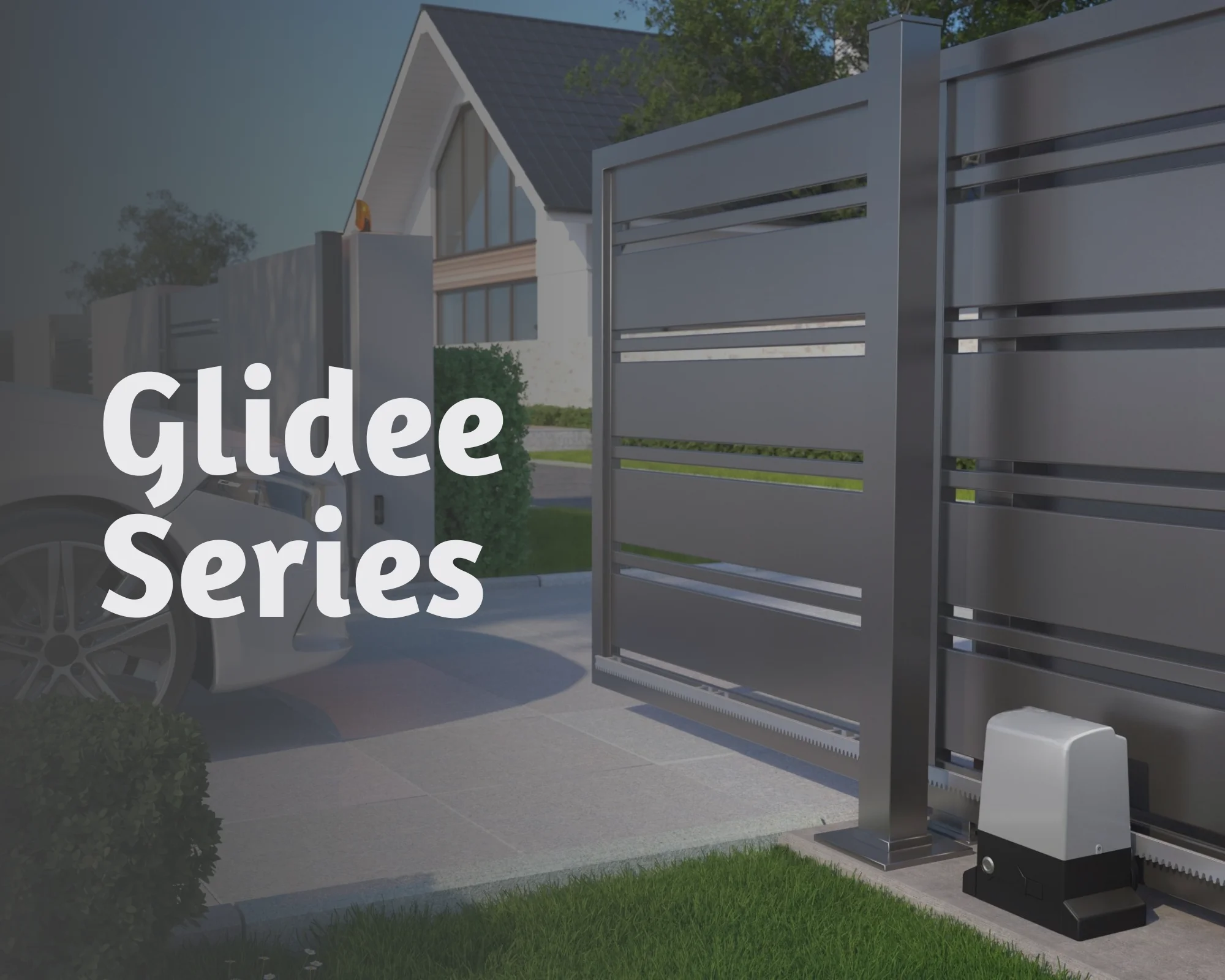
Glidee Series — Sliding Gate Opener Systems
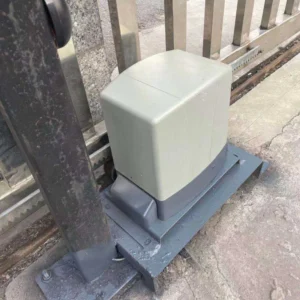
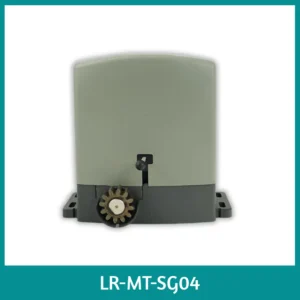
Designed for sliding gate automation, Glidee Series gate opener systems deliver smooth soft start & stop performance with AC and DC power options, supporting stable, efficient, and secure access control for residential and commercial sliding gates.
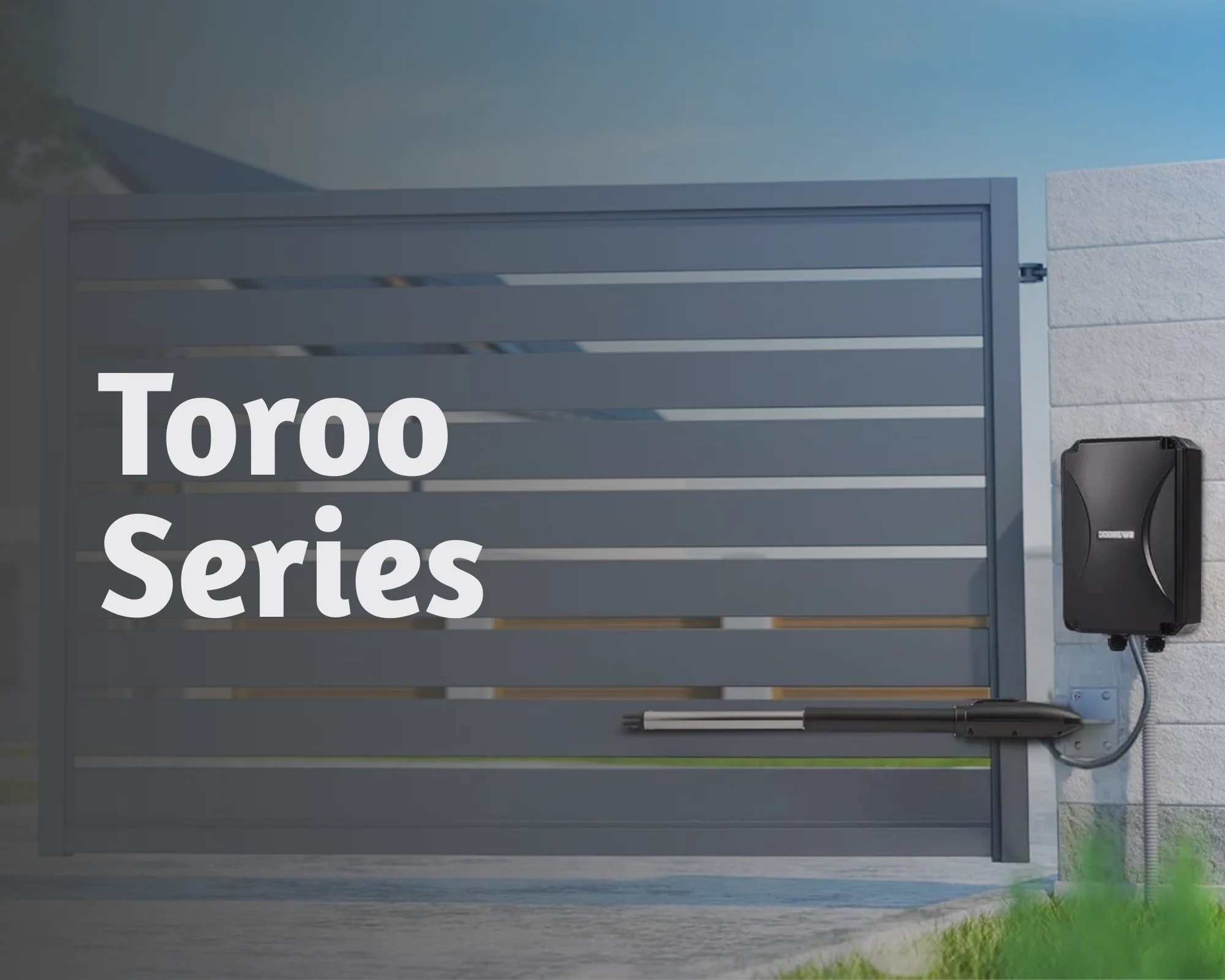
Toroo Series — Swing Gate Opener Systems
Developed for swing gate applications, Toroo Series automatic gate openers include articulated arm, wheel-driven, and curved arm designs, offering flexible installation, smooth operation, and AC/DC solutions for residential and commercial swing gates.
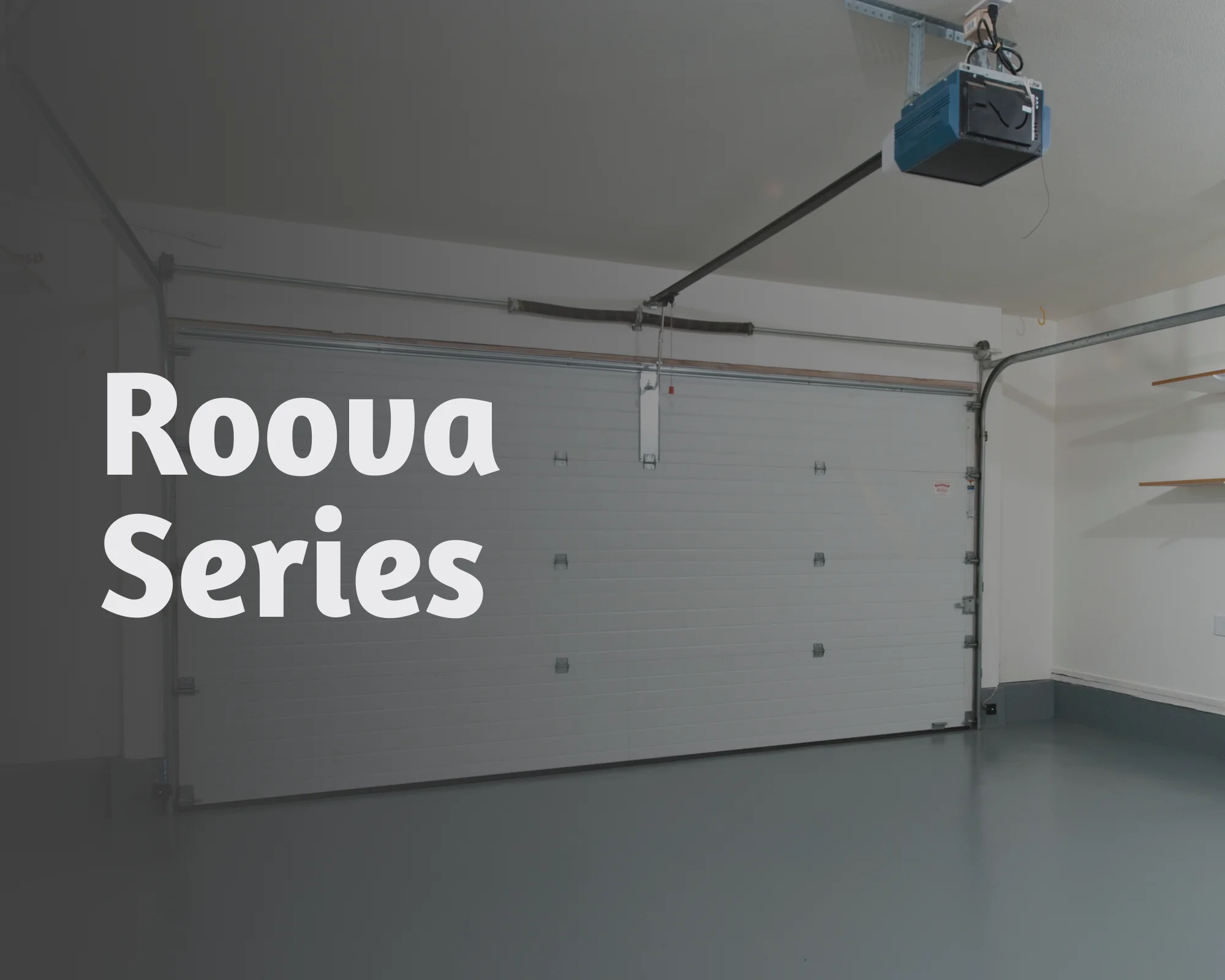
Roova Series — Garage Door Opener Systems
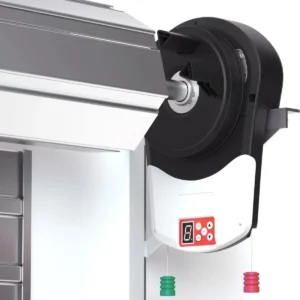
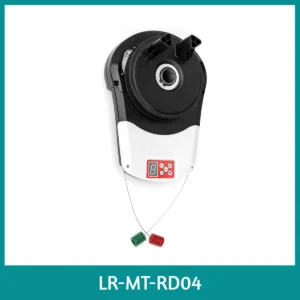
Designed for garage door automation, Roova Series garage door opener systems support overhead and roller door applications, delivering reliable motorized operation, safety protection, and smart control for residential and light commercial garages.
Automatic Gate Opener Recommendation

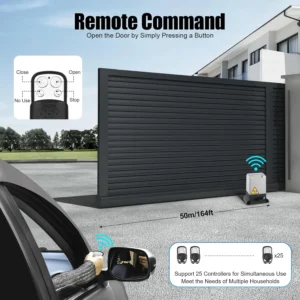
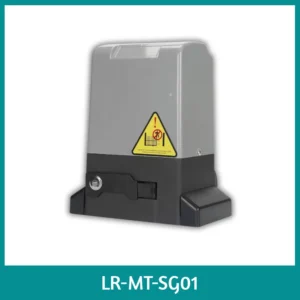
Automatic Sliding Gate Opener Kit for Secure Gate
Heavy Duty Commercial Gate Openers for Large-scale Gate
Solar Powered Gate Opener Kit for Gate Automation
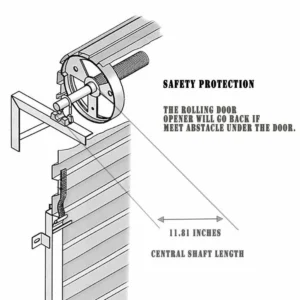
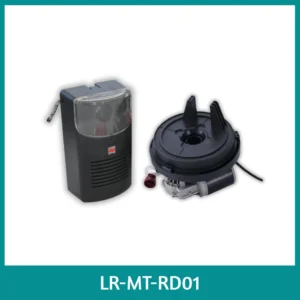
Rollup Garage Door Opener for Rolling Doors
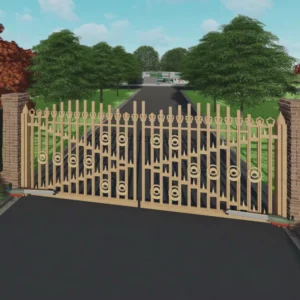
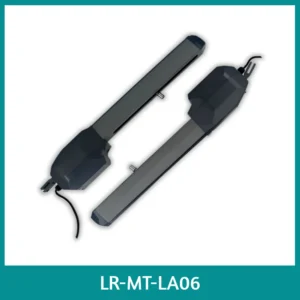
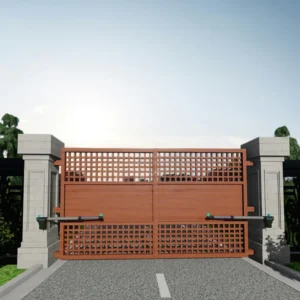
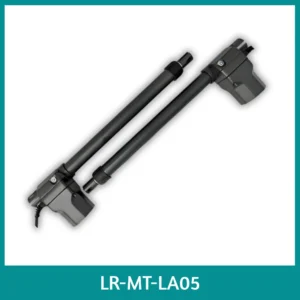
Electric Swing Gate Opener for Automated Gate
Sidemount Garage Door Opener for Space Saving Installations
Workflow of Supplying Automatic Gate Opener Systems
Pilot Proposal
A tailored pilot proposal outlining techniques required, pricing options, and a clear roadmap to ensure full alignment before sampling.
Sample Approval
Samples produced according to confirmed specifications for functional testing, design refinement, and final approval before mass production.
Production & Schedule
Optimized production planning with transparent scheduling, stable lead times, and continuous updates to keep your project on track.
Quality Inspection
Strict multi-step quality inspections covering materials, assembly, and performance to guarantee every expected standards.
Packaging & Shipping
Secure export-grade packaging and coordinated global shipping solutions to ensure safe delivery and smooth customs clearance.
operation in any climate. Full OEM/ODM technical support.
Core Features of LEROND Automatic Gate Opener Systems
Flexible Gate Automation Solutions
Supports sliding gate openers, swing gate openers, and garage door operators within a unified automatic gate opener system, enabling scalable solutions for residential, commercial, and light industrial access projects.
Soft-Start & Smooth Operation Control
Designed with soft-start and soft-stop motor control, LEROND automatic gate openers reduce mechanical impact, noise, and wear, ensuring stable operation for high-frequency gate automation in long-term projects.
AC/DC Power Options for Flexibility
Available in AC & DC configurations, our electric gate opener systems adapt to different site conditions, including residential communities, commercial entrances, and locations requiring battery backup or solar-supported operation.
Advanced Safety & Obstacle Protection
Integrated safety functions such as obstacle detection, auto-reverse, emergency stop, and photocell sensor support help automatic gate operators prevent accidents and meet safety requirements across global markets.
System Integration & Smart Control
Automatic gate opener systems support integration with access control, security systems, smart home platforms, and building automation solutions, enabling centralized management for integrators and solution providers.
Outdoor-Grade Durability & Reliability
Built for outdoor environments, LEROND automatic gate openers feature weather-resistant construction and stable performance, supporting reliable operation for garden gates, perimeter entrances, and garage doors.
Frequently Asked Questions
What types of gates can automatic gate opener systems support?
Automatic gate opener systems can be configured for sliding gates, swing gates, and garage doors, covering residential, commercial, and light industrial access projects with different installation and usage requirements.
Are automatic gate openers suitable for commercial and multi-site projects?
Yes, LEROND automatic gate opener systems are designed for commercial entrances, residential communities, parking facilities, and multi-site deployments, offering stable performance and scalable integration capabilities.
Can electric gate opener systems integrate with access control or smart systems?
LEROND electric gate opener systems support integration with access control, security systems, and smart automation platforms, enabling centralized management and coordinated operation within broader building or site solutions.
What safety features are included in automatic gate operators?
Automatic gate operators incorporate obstacle detection, auto-reverse, emergency stop functions, and photocell sensor support to enhance operational safety and meet regulatory expectations across different markets.
What power options are available for automatic gate opener systems?
LEROND offers AC and DC gate opener solutions, allowing flexible deployment for grid-powered sites, battery-backed systems, or locations requiring uninterrupted gate operation during power outages.
Can LEROND provide OEM or customized gate opener solutions?
Yes, LEROND supports OEM/ODM customization, including motor configurations, control logic, accessories, and branding options, helping distributors and solution providers align products with market-specific requirements.
How does LEROND support B2B partners after deployment?
LEROND provides technical documentation, system configuration support, and long-term cooperation assistance, helping integrators and distributors manage installation, commissioning, and ongoing project delivery efficiently.
a taylored proposal from us.
- +86 137 1478 0628