
Electric Window Opener Systems for Commercial & Smart Buildings
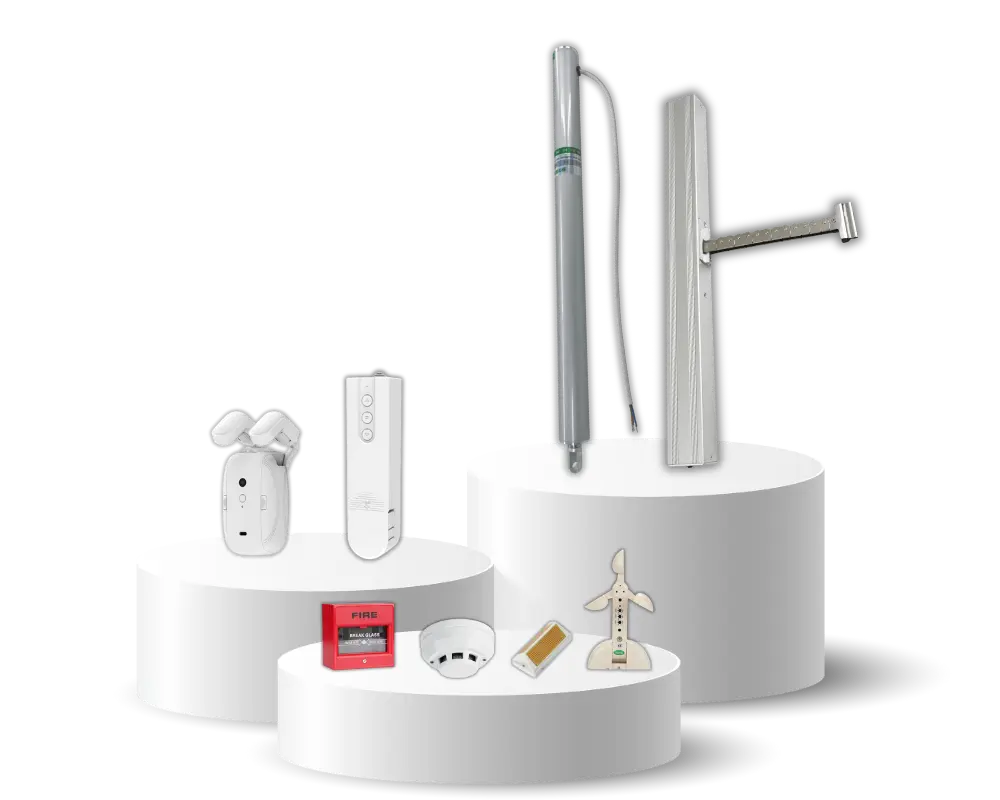
An automatic window opening system (also known as an electric window opener or window actuator) is a motorized solution designed for automated ventilation, smoke control, and secure operation in buildings. Our high-performance window actuators and control systems support OEM/ODM customization, providing integrated solutions for contractors, developers, and distributors in commercial and residential projects.
Why Choose Electric Window Openers for Modern Buildings
Operation Efficiency
Manual window operation limits efficiency in commercial buildings, while electric window opener systems provide automated, centralized, and reliable window control.
Ventilation & Comfort
Poor ventilation affects indoor comfort and air quality, as automatic window opener systems enable controlled natural ventilation across building spaces.
Fire & Smoke Safety
Fire and smoke ventilation compliance is difficult with manual windows, but electric window openers integrate into building safety and emergency control systems.
System Integration
Modern building automation requires system-level integration, which electric window opener systems deliver through sensors, controllers, and BMS connectivity.
Electric Window Opener Series for Different Window Types & Applications

Bryzee Series — Residential Smart Window Openers
Designed for residential window automation with smooth soft-start operation, smart linkage, and micro-ventilation control, supporting ventilation, security, and energy efficiency management in modern homes and apartments.
Stroom Series — Commercial Window Opener Systems
Engineered for commercial and project-based applications, Stroom window opener systems focus on cost efficiency, stable performance, and integration with smoke ventilation and building automation systems.


Luunor Series — Tubular Motors for Shading & Curtain Automation
Developed for shading and curtain automation, Lunor tubular motor solutions support soft-start operation and smart linkage for blinds, shades, and curtain systems in residential and commercial buildings.
Electric Window Actuator Recommendation

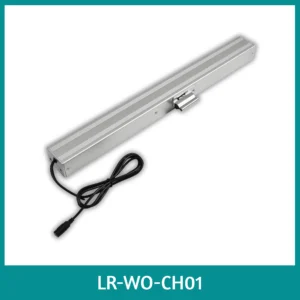
Electric Chain Window Opener for Automated Window Control
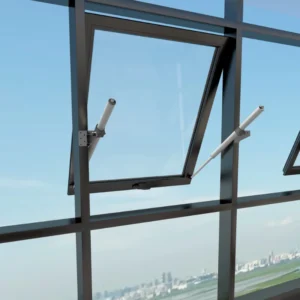
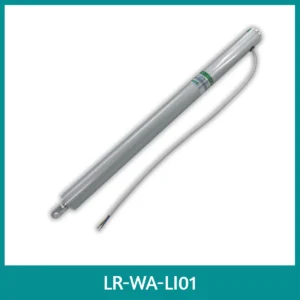
Smoke Vent Window Actuator for Roof and High Windows
Automatic Sliding Glass Door Opener for Motorized Door Automation
Battery Operated Casement Window Opener with Solar Charging
Motorized Casement Window Opener for Automatic Window Opening
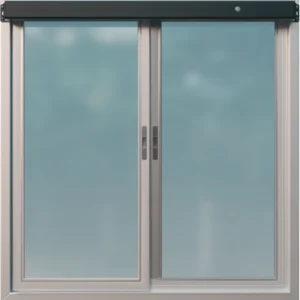
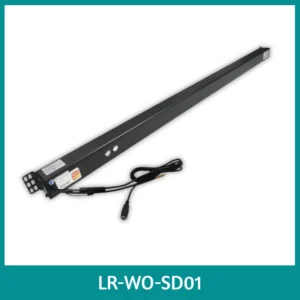
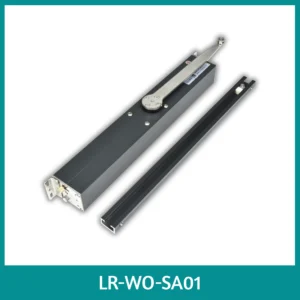
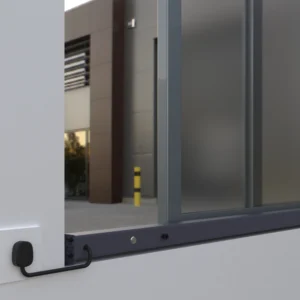
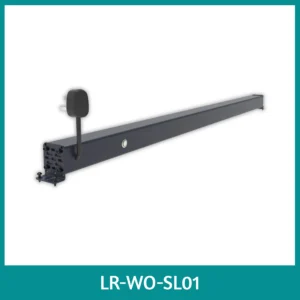
Automatic Sliding Window Opener for Horizontal Sliding Windows

Workflow of Supplying Electric Window Opener Systems
Pilot Proposal
A tailored pilot proposal outlining techniques required, pricing options, and a clear roadmap to ensure full alignment before sampling.
Sample Approval
Samples produced according to confirmed specifications for functional testing, design refinement, and final approval before mass production.
Production & Schedule
Optimized production planning with transparent scheduling, stable lead times, and continuous updates to keep your project on track.
Quality Inspection
Strict multi-step quality inspections covering materials, assembly, and performance to guarantee every expected standards.
Packaging & Shipping
Secure export-grade packaging and coordinated global shipping solutions to ensure safe delivery and smooth customs clearance.
smoke extraction. Full OEM/ODM technical support.
Core Features of LEROND Electric Window Opener Systems
Multiple Opener Types & Configurations
Supports chain, swing-arm, linear driven window opener configurations, allowing flexible selection based on window type, opening angle, load requirements, and project-specific installation.
Smooth & Controlled Window Operation
Designed with soft-start and soft-stop control logic to ensure stable, quiet, and precise window movement, reducing mechanical stress and improving long-term system reliability.
Wide Window Compatibility
Compatible with casement, awning, skylight, roof, and façade windows, supporting residential, commercial, and smoke ventilation applications across different building structures.
Smart Control & System Integration
Supports integration with wall switches, remote controllers, sensors, gateways, and building automation systems, enabling automated window control and centralized management.
Safety Protection & Good Performance
Features overload protection, obstruction detection, position feedback, and emergency operation support to ensure safe window automation in daily and emergency scenarios.
Durable Design for Long-Term Projects
Built with robust materials and weather-resistant designs, supporting stable operation under demanding environmental conditions for long-term residential and commercial projects.
Frequently Asked Questions
What types of electric window openers are suitable for commercial and residential buildings?
How do electric window openers integrate with building automation systems (BMS)?
Can electric window openers be used for greenhouses and ventilation systems?
What safety features do electric window actuators include?
How do electric window openers improve natural ventilation and energy efficiency?
Do you offer OEM or ODM customization for electric window opener systems?
Can electric window openers be used in smoke ventilation or AOV systems?
What is the difference between a window actuator and a window opener?
How much force does a window actuator need to open a window?
Can electric window openers be installed on existing windows?
Are electric window openers waterproof or weather resistant?
What types of windows can be automated with electric window openers?
How long do electric window actuators typically last?
Can electric window openers be powered by AC, DC, or battery systems?
Electric Window Opener Systems – The Definitive Guide for Modern Residential & Commercial Buildings
Electric window openers come in various forms — chain, spindle, linear, and tubular actuators, as well as fully automated smart window systems. This definitive guide explains how modern electric window opener systems work, the different actuator types and control technologies available, installation considerations, and how to select the right system for homes, apartments, offices, commercial buildings, and specialized applications such as greenhouses or smoke ventilation. Ideal for buyers, installers, engineers, and project managers seeking a complete, practical understanding of window automation solutions.
Executive Overview
Electric window opener systems—also known as window actuators—are becoming an essential component in modern buildings, enabling controlled ventilation, improved safety, and more efficient building operation. Unlike traditional manual windows, these systems use electrically driven actuators to open and close windows automatically, either through local control or integration with broader building systems.
Today, window actuators are widely used across commercial buildings, residential developments, industrial facilities, and specialized environments such as high-rise facades and smoke ventilation systems. Their role extends beyond simple convenience. In many projects, they are a critical part of natural ventilation strategies, fire safety design, and building performance optimization.
At a system level, an electric window opener is not just a standalone device. It operates as part of a coordinated system that includes the window structure, actuator mechanism, power supply, and control interface. The performance of the overall system depends on how these elements are selected, integrated, and configured for specific applications.
For project developers, engineers, and contractors, the key challenge is not only choosing the right actuator, but understanding how factors such as window type, load conditions, installation constraints, and control requirements influence system performance. For window manufacturers, the focus shifts toward integration strategies, product positioning, and minimizing structural and after-sales risks.
This guide provides a structured overview of electric window opener systems—from mechanical principles and engineering considerations to real-world applications, system integration, and commercial decision-making. Each section is designed to help different stakeholders navigate the complexities of window actuator selection and deployment.
Whether you are specifying systems for a building project, evaluating suppliers, or exploring ways to enhance your window product offerings, this guide serves as a comprehensive reference for understanding how electric window opener systems work—and how to use them effectively in modern building environments.
What Is an Electric Window Opener System
Electric window opener systems—commonly referred to as window actuators—are mechanical devices designed to automate the opening and closing of windows using electrical power. While often perceived as simple add-ons, these systems play a much broader role in modern buildings, acting as a key interface between window structures and building performance strategies.
From Manual Operation to Controlled Systems
Traditional windows rely on manual operation, which limits their usability—especially in large-scale or high-rise buildings where windows may be difficult to access or require coordinated operation. Electric window openers replace manual interaction with controlled motion, enabling windows to be opened, closed, or positioned with precision. This shift is not only about convenience. In many applications, manual operation is simply not practical. High-level windows, roof glazing systems, or façade-integrated openings require reliable and repeatable control, which can only be achieved through actuator-based systems.
Core Components of a Window Opener System
An electric window opener system typically consists of several interconnected components:
- Actuator unit – the motorized mechanism (such as chain, screw, or linear drive) that generates movement
- Power supply – AC, DC, or battery-based systems depending on the project requirements
- Control interface – switches, relays, sensors, or building management systems (BMS)
- Window structure – the physical frame and opening mechanism that interacts with the actuator
While the actuator is the most visible element, system performance depends on how all components are selected and integrated. A mismatch between actuator capability and window characteristics can lead to poor performance or premature failure.
Not Just a Device, but a System Component
One of the most common misunderstandings is treating a window actuator as a standalone product. In reality, it functions as part of a broader system that includes building design, control logic, and environmental conditions. For example, in ventilation applications, the actuator does not “decide” when to open—it responds to control signals based on temperature, airflow, or occupancy conditions. In smoke ventilation systems, it becomes part of a safety-critical system triggered by fire alarms and governed by strict compliance standards. This system-level role means that selecting an actuator is not only about force or stroke length. It requires understanding how the device interacts with other building systems and how it performs under real operating conditions.
Where Electric Window Openers Are Used
Electric window opener systems are used across a wide range of building types and applications, including:
- Commercial buildings – for controlled natural ventilation and façade integration
- Residential projects – for convenience, safety, and smart home integration
- Industrial facilities – for ventilation in large or hazardous environments
- Smoke ventilation systems (AOV) – where automatic opening is critical for life safety
Each application places different demands on the system, from basic operation to high-reliability performance under emergency conditions.
Why Understanding the System Matters
For project developers, engineers, and window manufacturers, understanding electric window opener systems at a system level is essential. Misinterpreting the role of the actuator can lead to incorrect specifications, integration issues, or performance gaps in real projects. A clear understanding of how these systems work—and how they interact with window structures and building systems—provides the foundation for making better design, selection, and implementation decisions.
Mechanical Structure & Working Principles
Electric window opener systems operate by converting electrical energy into controlled mechanical motion, enabling windows to open, close, and hold position under varying load conditions. While different actuator types may appear similar externally, their internal mechanical structures and motion principles significantly influence performance, reliability, and application suitability.
How Mechanical Motion Is Generated
At the core of every window actuator is a motor-driven transmission system. An electric motor generates rotational motion, which is then converted into linear or angular movement through gear mechanisms and transmission components. This mechanical conversion determines how force is applied to the window, how smoothly it moves, and how well the system performs under load. Factors such as gear design, transmission efficiency, and internal friction directly affect actuator lifespan and operational stability.
Main Actuator Structures and Motion Types
Different actuator types are defined by how they convert motor output into usable motion. The most common structures include:
- Chain-driven actuators
Use a rigid chain mechanism to push and pull the window sash. These are widely used in standard window applications due to their compact design and relatively simple installation. - Screw-driven actuators
Rely on a lead screw mechanism to generate linear motion with high force output and precise positioning. They are typically used in heavier or more demanding applications. - Folding arm (sliding arm) actuators
Convert motor rotation into angular movement through articulated arms. This structure is particularly suitable for windows requiring wider opening angles or specific movement paths. - Linear push/pull actuators for sliding systems
Designed for horizontal sliding windows or panels, these actuators generate direct linear motion to move window elements along a track rather than opening them outward.
Each structure results in a different movement pattern, which affects not only how the window opens, but also how force is distributed across hinges, frames, and mounting points.
Force, Stroke, and Movement Behavior
From a mechanical perspective, three parameters define actuator behavior:
- Force output – determines the ability to overcome window weight, friction, and external loads
- Stroke length – defines how far the actuator can extend or retract
- Movement speed – affects operation time and system responsiveness
These parameters are not independent. Increasing force often reduces speed, while longer stroke lengths may introduce additional mechanical stress. The balance between these factors is determined by internal design choices such as gear ratios and transmission structure.
Structural Stability and Backdrive Resistance
A critical aspect of actuator design is the ability to maintain position when external forces are applied. In real-world conditions, windows are exposed to wind pressure, gravity, and frame deformation. Actuators must therefore provide sufficient resistance to unintended movement, often referred to as backdrive resistance. This is achieved through mechanical locking characteristics within the transmission system, ensuring that windows remain stable even when the actuator is not actively powered.
Mechanical Design and Long-Term Performance
Over time, mechanical components are subject to wear, fatigue, and environmental stress. Gear wear, lubrication degradation, and repeated load cycles all contribute to performance changes. The durability of an actuator depends not only on its rated specifications, but also on the quality of its internal mechanical design and how well it is matched to the application. Poor alignment, excessive load, or inappropriate structure selection can accelerate wear and reduce system reliability.
Why Mechanical Structure Matters
Understanding actuator structure is essential for selecting the right solution for a given application. Different window types, opening requirements, and load conditions demand different mechanical approaches. Rather than viewing all window actuators as interchangeable devices, recognizing the differences in how they generate and transmit motion provides a more accurate basis for system design and performance evaluation.
- Wind Load Impact on Actuator Selection in High-Rise Buildings
- Fatigue Life of Window Actuators
- Gear Wear and Transmission Efficiency in Window Actuators
- Backdrive Resistance in Window Actuators
- How Window Opening Angle Affects Ventilation Performance
- Hidden vs Exposed Window Actuator Design
Window Types & Compatibility
The effectiveness of an electric window opener system is closely tied to how well it matches the window type and structural configuration. While actuators are often specified based on force or stroke, real-world performance depends just as much on compatibility with the window’s geometry, opening method, and installation constraints. Different window types require different movement patterns, mounting positions, and mechanical interactions. Understanding these differences is essential to ensure reliable operation and avoid integration issues.
Common Window Types and Their Requirements
Window actuators are used across a variety of window types, each with distinct characteristics:
- Casement windows
Typically hinged on the side and open outward. These are among the most common applications for actuators, requiring a balance between stroke length and opening angle to achieve sufficient ventilation without overstressing hinges. - Awning windows
Hinged at the top and open outward from the bottom. These configurations often demand stable and controlled motion to prevent uneven loading, especially in larger window panels. - Skylights and roof windows
Installed at inclined or horizontal positions, these windows introduce additional challenges related to gravity, sealing, and weather exposure. Actuator selection must account for both opening force and positional stability. - Sliding windows and panels
Unlike hinged systems, sliding windows require linear motion along a track. This changes the mechanical requirements entirely, favoring push/pull actuator designs that provide consistent horizontal movement.
Each window type defines how force is applied, how motion is transferred, and where the actuator can be mounted.
Geometry and Installation Constraints
Beyond window type, physical constraints play a critical role in system compatibility. Limited installation space, frame depth, and mounting surface conditions can restrict actuator selection. For example, compact chain-driven actuators are often preferred where space is limited, while arm-type mechanisms may be required when larger opening angles are needed. In façade systems or custom architectural designs, actuator placement must also align with structural elements and aesthetic requirements. These geometric constraints often determine not only which actuator can be used, but whether automation is feasible at all without modifying the window structure.
Retrofit vs New Build Integration
Compatibility considerations differ significantly between retrofit projects and new construction.
- Retrofit installations
Must work within existing window designs, often without structural modification. This limits available mounting options and places greater emphasis on flexible, externally mounted actuator solutions. - New build projects
Allow actuator integration to be considered at the design stage. This enables better alignment between window structure and actuator placement, but requires coordination between architects, engineers, and suppliers.
Understanding this distinction is critical, as solutions that work well in new builds may not be suitable for retrofit applications.
Facade Systems and Structural Integration
In modern buildings, windows are often part of larger façade systems such as curtain walls or double-skin façades. In these cases, actuator integration must account for not only the window itself, but also the surrounding structural framework. Mounting positions, load transfer paths, and maintenance accessibility all become important considerations. Poor integration at this level can lead to operational issues, increased wear, or difficulty in servicing the system.
Why Compatibility Determines System Success
Selecting an actuator without considering window compatibility is one of the most common causes of system failure. Even a correctly specified actuator in terms of force and stroke may underperform if it is not properly matched to the window’s structure and movement characteristics. A clear understanding of how different window types interact with actuator mechanisms provides a more reliable basis for system design, helping ensure both functional performance and long-term reliability.
- Window Actuators for Casement Windows
- Window Actuators for Awning Windows
- Window Actuators for Skylight Windows
- Window Actuators for Commercial Roof Windows
- Window Actuators for High/Hard-to-Reach Windows
- Manual vs Automated Window Actuator Operation
- Retrofit vs New Build Window Actuator Integration
- Window Actuators in Office Buildings
- Window Actuators in Hotels
- Window Actuators for Industrial Ventilation
- Window Actuators in Greenhouse Ventilation Systems
- Window Actuators for Coastal and High-Humidity Environments
- Low-Temperature Window Actuators for Cold Climate
- Explosion-Proof Window Actuators for Industrial
Engineering Design & System Calculations
Designing an electric window opener system for real-world applications requires more than selecting a device based on catalog specifications. While parameters such as force and stroke provide a starting point, successful system design depends on understanding how these values translate into actual performance under varying conditions.
In practice, engineering decisions must account for structural loads, environmental influences, system configuration, and installation constraints. Ignoring these factors often leads to underperformance, instability, or premature failure.
From Basic Parameters to Real-World Conditions
Most actuator selections begin with basic inputs such as window size, weight, and opening method. These factors are used to estimate the required force and stroke length needed to operate the window. However, real-world conditions rarely match simplified assumptions. Friction within hinges, frame deformation, installation tolerances, and dynamic loads can all increase the actual force required. As a result, calculations based purely on theoretical values often underestimate system demands. This gap between calculated and actual performance is one of the most common sources of failure in window actuator systems.
Key Engineering Factors in System Design
To achieve reliable operation, several engineering variables must be considered together:
- Load distribution
In large or multi-panel windows, loads are not evenly distributed. Actuator placement and mounting geometry determine how force is transferred across the structure. - Safety factors
Engineering design must include a margin above calculated values to account for uncertainties and variations. Insufficient safety margins can lead to unstable operation or long-term reliability issues. - Duty cycle and operating conditions
Actuators are not designed for continuous operation. Understanding how frequently and for how long the system will operate is critical to prevent overheating or accelerated wear. - Speed vs force trade-offs
Higher force output often comes at the cost of reduced speed. Selecting the appropriate balance depends on application requirements and user expectations.
These factors interact with each other, making system design a process of balancing multiple constraints rather than optimizing a single parameter.
System-Level Design Challenges
In many projects, especially those involving large windows or multiple actuators, system-level considerations become critical.
- Synchronization of multiple actuators
When two or more actuators are used on the same window, maintaining synchronized movement is essential to avoid structural stress or misalignment. - Power supply and voltage drop
In long cable runs, especially in low-voltage systems, voltage drop can reduce actuator performance or cause inconsistent operation. Proper cable sizing and power planning are required to ensure stable performance. - Energy consumption
Although individual actuators consume limited power, system-level consumption can become significant in large installations. Efficient design helps reduce overall energy use and operational cost.
These challenges highlight the importance of treating the system as an integrated whole rather than a collection of individual devices.
Why Calculations Alone Are Not Enough
Even with detailed calculations, real-world performance can still deviate due to installation conditions, environmental factors, and component variability. Engineering design must therefore combine calculation with practical experience and conservative assumptions. Successful projects typically incorporate testing, adjustment, and iterative refinement rather than relying solely on initial design values.
Engineering as the Foundation of Reliability
A well-designed window actuator system is not defined by its specifications alone, but by how well it performs under real operating conditions over time. By considering both theoretical calculations and practical constraints, engineers can create systems that deliver consistent performance, minimize failure risk, and meet the demands of modern building applications.
- Power Consumption of Window Actuators
- Backup Power Design for Window Actuators
- Safety Factors in Window Actuator Design
- Voltage Drop in Long Cable Runs for Window Actuators
- Why Force Calculations Fail in Real Projects
Natural Ventilation Applications
Natural ventilation is one of the most important applications of electric window opener systems, enabling buildings to regulate indoor air quality, temperature, and energy consumption without relying solely on mechanical HVAC systems. In this context, window actuators function as controlled openings that respond to environmental conditions and ventilation strategies rather than manual intervention. When properly integrated, actuator-driven windows become part of a dynamic airflow system, supporting both occupant comfort and overall building performance.
The Role of Window Actuators in Natural Ventilation
In naturally ventilated buildings, airflow is driven by pressure differences caused by wind and temperature variations. Window actuators provide the ability to control when and how openings are created, allowing buildings to adapt to changing environmental conditions. Instead of fixed openings or manual operation, actuator systems enable:
- Timed or automated opening based on temperature, humidity, or air quality
- Coordinated operation across multiple windows
- Controlled opening positions to balance airflow and indoor comfort
This level of control transforms windows from passive elements into active components of a ventilation strategy.
Ventilation Strategies and System Design
Different natural ventilation strategies require different approaches to window operation:
- Cross ventilation
Relies on airflow between openings on opposite sides of a building. Actuators must be coordinated to create effective air paths and maintain consistent airflow. - Stack ventilation
Uses temperature differences to drive air movement vertically. High-level windows or skylights play a critical role, often requiring reliable actuator systems due to limited accessibility. - Night cooling
Involves opening windows during cooler nighttime conditions to reduce indoor temperature. This requires actuators capable of repeated operation and integration with environmental controls.
Each strategy depends not only on window placement, but also on how accurately and reliably actuators can respond to system requirements.
Opening Area and Airflow Control
The effectiveness of natural ventilation is strongly influenced by the size and configuration of window openings. Larger opening areas generally allow higher airflow rates, but uncontrolled openings can lead to discomfort or energy inefficiency. Actuators enable controlled adjustment of opening positions, allowing the system to balance airflow with indoor conditions. Rather than simply opening or closing windows, actuator systems can regulate partial openings to achieve more stable and predictable ventilation performance. This level of control is particularly important in buildings where environmental conditions vary throughout the day.
Environmental Influences on Ventilation Performance
External factors such as wind pressure, building orientation, and surrounding structures significantly affect airflow behavior. The same window configuration may perform differently depending on location and environmental conditions. Actuator systems help manage these variations by adjusting window positions in response to real-time inputs. By doing so, they reduce the reliance on static design assumptions and improve overall system adaptability.
Balancing Comfort, Efficiency, and Control
Natural ventilation systems must balance multiple objectives, including indoor comfort, energy efficiency, and operational reliability. Over-ventilation can lead to heat loss or discomfort, while insufficient airflow can affect air quality. By providing controlled and repeatable window operation, electric window openers enable more precise management of these trade-offs. When integrated into a well-designed system, they support a more responsive and efficient approach to building ventilation.
From Passive Openings to Active Systems
The introduction of electric window openers changes the role of windows in building design. Rather than static openings, windows become adjustable elements that can respond dynamically to environmental and operational needs. Understanding how actuator systems contribute to natural ventilation provides a foundation for designing buildings that are not only more energy-efficient, but also more adaptable to changing conditions.
- Cost vs Benefit of Actuator-Based Natural Ventilation Systems
- Opening Area Calculation: How It Affects Window Actuator Selection
- Wind Pressure vs Indoor Airflow: Implications for Window Actuator
Smoke Ventilation & Fire Safety Systems
In fire safety design, electric window opener systems play a critical role as part of smoke ventilation systems, commonly referred to as Automatic Opening Vent (AOV) systems. Unlike natural ventilation, which focuses on comfort and energy efficiency, smoke ventilation is a life safety function designed to remove smoke, reduce heat buildup, and maintain visibility during a fire. In this context, window actuators are not simply convenience devices—they become safety-critical components that must operate reliably under emergency conditions and comply with strict regulatory standards.
The Role of Window Actuators in Smoke Ventilation
During a fire event, the primary objective of a smoke ventilation system is to extract smoke and hot gases from the building, creating safer evacuation routes and improving conditions for firefighting operations. Window actuators enable this by:
- Automatically opening designated vents when triggered by a fire alarm system
- Providing sufficient opening area to allow effective smoke extraction
- Maintaining stable positions under high temperature and pressure conditions
In many cases, these actuators are installed in high-level windows, roof vents, or façade openings where manual operation is not feasible.
System Integration and Triggering Logic
Smoke ventilation systems are typically integrated with fire detection and alarm systems. When smoke or heat is detected, a control signal is sent to the actuator system, triggering immediate opening. This process must be:
- Automatic – no manual intervention required
- Fast and reliable – minimal delay between detection and activation
- Fail-safe in design – the system must respond correctly even under adverse conditions
Unlike standard control scenarios, the priority here is not flexibility, but certainty of operation.
Compliance and Standards
Smoke ventilation systems are governed by regional and international standards, which define performance requirements for both the system and its components. In many markets, standards such as EN12101 specify requirements for smoke and heat control systems, including actuator performance, durability, and reliability. Compliance involves not only product certification, but also system-level design, installation, and testing. Actuators used in these systems must be capable of meeting defined operational criteria under extreme conditions. Understanding these requirements is essential for ensuring that the system can be approved, commissioned, and accepted in regulated building projects.
Fail-Safe Operation and System Reliability
In fire scenarios, system failure is not acceptable. Actuator systems must therefore be designed with fail-safe principles in mind, ensuring that vents open as required even in the presence of power loss or component failure. This may involve:
- Backup power solutions
- Redundant system configurations
- Mechanical designs that support reliable opening under load
Reliability is further reinforced through regular inspection, testing, and maintenance procedures defined as part of the overall fire safety strategy.
Testing, Commissioning, and Performance Assurance
Before a smoke ventilation system becomes operational, it must undergo thorough testing and commissioning to verify that all components function as intended. This includes confirming:
- Correct integration with fire alarm systems
- Consistent actuator response across all vents
- Compliance with specified opening performance
These processes are critical not only for regulatory approval, but also for ensuring long-term system reliability.
From Functional Device to Safety-Critical Component
In smoke ventilation applications, the role of a window actuator extends far beyond mechanical operation. It becomes part of a coordinated safety system designed to protect lives and property. Recognizing this shift—from a functional device to a safety-critical component—is essential for proper system design, specification, and implementation in modern building projects.
- What Is Smoke Ventilation in Buildings
- Automatic Opening Vent Systems Explained
- Smoke Ventilation Actuators for Fire Safety Systems
- EN12101 Standards for Smoke Ventilation Systems
- Fail-Safe vs Fail-Secure in Actuators for Smoke Ventilation
- Natural vs Smoke Ventilation: Implications for Actuator
- Fire Alarm Integration with Window Actuators
- Redundancy Design for Window Actuators in AOV Systems
- Testing and Commissioning of Actuators in Smoke Ventilation
Control Systems & Building Integration
Electric window opener systems rely on control mechanisms to operate effectively within a building environment. While the actuator provides mechanical movement, it is the control system that determines when, how, and to what extent windows are opened or closed. In modern buildings, window actuators are rarely operated in isolation. Instead, they are integrated into broader control architectures that coordinate multiple devices and respond to environmental conditions.
Basic Control Methods
At the most fundamental level, window actuators can be operated through simple control methods such as switches, relays, or dry contact signals. These approaches provide direct control and are commonly used in smaller or standalone installations. More advanced systems may incorporate smart control interfaces, allowing actuators to respond to programmed logic or external inputs. Regardless of complexity, the purpose of the control method is to deliver reliable and predictable signals to the actuator.
Wired and Wireless Communication
Control signals can be transmitted through wired or wireless communication methods, each with its own advantages.
- Wired systems
Offer higher reliability and stability, making them suitable for critical applications and large-scale installations. - Wireless systems
Provide easier installation and greater flexibility, especially in retrofit scenarios where running cables may be difficult.
Selecting the appropriate communication method requires balancing reliability, installation constraints, and long-term maintenance considerations.
Integration with Building Systems
In modern buildings, window actuator systems are often integrated into larger platforms such as Building Management Systems (BMS) or smart home environments. Through integration, actuators can respond to:
- Environmental sensors (temperature, humidity, air quality)
- Predefined schedules or operational logic
- Signals from other building systems
This enables coordinated operation across multiple building functions, improving overall efficiency and responsiveness.
System-Level Performance and Coordination
When multiple actuators operate within a building, coordination becomes critical. Improper control logic or signal delays can lead to inconsistent operation, uneven loading, or reduced system performance. Well-designed control systems ensure that:
- Actuators operate in a synchronized and predictable manner
- Signals are transmitted without interference or delay
- System behavior remains stable under different operating conditions
Achieving this requires careful consideration of both control architecture and communication reliability.
From Individual Devices to Integrated Systems
The integration of control systems transforms window actuators from standalone devices into components of a larger building ecosystem. Their behavior is no longer defined solely by mechanical capability, but by how effectively they interact with other systems. Understanding control methods and integration strategies is therefore essential for designing actuator systems that are not only functional, but also adaptable, scalable, and aligned with modern building requirements.
- Smart Window Automation Systems for Modern Homes
- Integrating Window Automation with Smart Home Systems
- Environmental Sensors in Automated Ventilation Systems
- Automated Window Ventilation for Energy-Efficient Buildings
- Control Methods: Relay, Dry Contact & Smart Control
- Centralized vs Distributed Control for Window Actuator Systems
- Wired vs Wireless Control for Window Actuators
- Signal Interference and Wiring Issues in Actuator Installations
- Window Automation in Building Management Systems
- How Automated Facades Improve Building Performance
- HVAC vs Natural Ventilation: Where Window Actuators Enable
- LEED & Green Building Benefits of Actuator-Based Ventilation
- Energy Savings from Window Actuator-Controlled Ventilation
- Lifecycle Cost of Window Actuators
- Window Actuator Integration in Facade Systems
- Early-Stage Coordination for Window Actuator Integration
- Aesthetic Integration of Actuators in High-End Facades
- Impact of Operation: Thermal Performance & Energy Efficiency
Installation, Reliability & Lifecycle
The performance of an electric window opener system is not determined solely by its specifications, but by how well it is installed, configured, and maintained throughout its lifecycle. In real-world projects, even well-designed systems can underperform if installation conditions, wiring, or commissioning processes are not properly managed. Understanding how these systems behave beyond initial deployment is essential for ensuring long-term reliability and consistent operation.
System Planning and Installation Considerations
Successful installation begins with proper system planning. This includes defining actuator locations, cable routing, power supply configuration, and coordination with other building elements. Installation must account for:
- Structural mounting points and alignment
- Accessibility for installation and future maintenance
- Compatibility with window geometry and movement
Inadequate planning can lead to installation constraints that compromise performance or increase the risk of failure.
Wiring, Power Supply, and On-Site Execution
Electrical installation plays a critical role in actuator performance. Incorrect wiring, insufficient power supply, or voltage drops over long cable runs can result in unstable operation or reduced actuator output. On-site execution must ensure:
- Proper cable sizing and routing
- Reliable electrical connections
- Stable power delivery under load
These factors are often overlooked during design, but become critical during installation and commissioning.
Commissioning and System Adjustment
Once installed, the system must be commissioned to verify correct operation. This process includes testing actuator movement, checking synchronization, and adjusting opening positions to match design requirements. Commissioning is not only a validation step, but also an opportunity to fine-tune system behavior. Small adjustments during this stage can significantly improve performance and prevent future issues.
Common Failures and Troubleshooting
In operation, window actuator systems may encounter issues such as uneven movement, incomplete opening, abnormal noise, or failure to respond to control signals. These problems are often attributed to product quality, but in many cases, they result from installation errors, misalignment, or control integration issues. Effective troubleshooting requires identifying the root cause rather than addressing symptoms. Understanding how mechanical, electrical, and control factors interact is key to resolving these problems efficiently.
Maintenance and Long-Term Reliability
Over time, actuators are subject to wear, environmental exposure, and repeated operational cycles. Preventive maintenance is essential to ensure consistent performance and extend system lifespan. Typical maintenance considerations include:
- Periodic inspection of mechanical components
- Verification of electrical connections
- Functional testing of system response
In larger projects, maintenance planning should be incorporated into the overall system design to ensure accessibility and serviceability.
Lifecycle Planning and Spare Parts Strategy
For long-term projects, especially in commercial or industrial buildings, lifecycle planning becomes an important consideration. Actuators are expected to operate reliably over many years, and component failure is inevitable over time. A structured approach to spare parts planning and replacement strategy helps minimize downtime and ensures system continuity. This is particularly important in systems where window operation is linked to safety or building performance.
From Installation to Long-Term Performance
Electric window opener systems must be evaluated not only at the point of installation, but throughout their entire operational lifecycle. Reliable performance depends on the combined effect of proper installation, careful commissioning, and ongoing maintenance. By considering these factors as part of a continuous process rather than isolated steps, building professionals can ensure that actuator systems deliver consistent and dependable results over time.
- Power Supply Design for Window Actuators
- Window Actuator System Planning for Buildings
- Wiring Layout for Window Actuators
- Retrofitting Window Actuators in Existing Buildings
- Low Voltage vs Mains Voltage Window Actuators
- Step-by-Step Commissioning Process for Actuator Systems
- Common Installation Mistakes in Window Actuator Projects
- Project Timeline Planning for Window Actuator Installation
- On-Site Adjustment and Calibration of Window Actuators
- Integration Failures Between Actuators and Control Systems
- Window Actuator Lifespan: What Determines Reliability
- Maintenance Guide for Window Actuators
- Automatic Window Opener Troubleshooting
- Fail-Safe Design in Window Actuator Systems
- Common Window Actuator Failures
- Synchronization Failure in Dual Window Actuators
- Spare Parts Planning for Window Actuators in Projects
Commercial Selection for Projects
Selecting an electric window opener system for a building project is not only a technical decision, but also a commercial one. While specifications such as force, stroke, and control methods define system capability, project success is often determined by how well cost, performance, and risk are balanced throughout the lifecycle of the system. Focusing solely on initial price can lead to underperformance, increased maintenance costs, or even system failure. A structured approach to commercial selection helps ensure that both short-term and long-term objectives are met.
Understanding Cost Beyond Initial Purchase
The total cost of a window actuator system extends beyond the upfront equipment price. In practice, project costs typically include:
- Initial procurement costs (CAPEX)
The cost of actuators, control components, and related hardware - Installation and commissioning costs
Labor, wiring, and system setup - Maintenance and operational costs (OPEX)
Periodic servicing, repairs, and energy consumption - Replacement and lifecycle costs
Long-term component replacement and system upgrades
Evaluating these cost elements together provides a more accurate picture of the system’s financial impact over time.
Balancing Price and Reliability
One of the most common challenges in procurement is the trade-off between price and reliability. Lower-cost products may meet basic specifications but often lack the durability or consistency required for long-term operation. In many projects, the risks associated with under-specification include:
- Insufficient force to operate under real conditions
- Reduced lifespan due to higher mechanical stress
- Increased maintenance frequency and downtime
These risks can result in higher total costs over the system lifecycle, even if initial investment is lower.
Evaluating Performance in Real Project Conditions
Product specifications alone do not always reflect real-world performance. Factors such as installation conditions, environmental exposure, and system integration can significantly affect how an actuator performs in practice. Project teams must therefore evaluate:
- Whether the actuator is suitable for actual load and usage conditions
- How the system will perform over time
- Whether the supplier provides adequate technical support
This evaluation process helps reduce the gap between theoretical performance and real-world results.
Supplier Selection and Support Capability
Choosing the right supplier is as important as selecting the right product. Beyond pricing, suppliers should be evaluated based on their ability to support the project throughout its lifecycle. Key considerations include:
- Technical expertise and application support
- Production capacity and lead time reliability
- After-sales service and spare parts availability
A reliable supplier can help identify potential issues early and provide solutions that reduce risk during both installation and operation.
Hidden Costs and Risk Factors
Many project risks are not immediately visible during procurement. Hidden costs may arise from:
- Additional installation complexity
- System incompatibility with building design
- Delays due to supply chain issues
- Increased maintenance due to poor product quality
Identifying these risks early allows project teams to make more informed decisions and avoid unexpected expenses.
From Specification to Commercial Decision
Ultimately, commercial selection is about aligning technical performance with financial and operational objectives. A well-selected system should not only meet design requirements, but also deliver reliable performance with manageable long-term costs. By taking a comprehensive approach—considering cost, reliability, supplier capability, and lifecycle impact—project stakeholders can make decisions that support both immediate project goals and long-term building performance.
- Local vs Imported Window Actuators
- Price vs Reliability Trade-Off in Actuator Procurement
- What Happens When Window Actuators Are Underspecified
Window Actuators for Window Manufacturers
For window manufacturers, electric window openers represent more than an additional component—they offer a pathway to product differentiation, increased value, and expanded market opportunities. However, integrating actuator systems into window products also introduces new challenges related to design, manufacturing, and after-sales responsibility. A clear strategy is required to balance these opportunities and risks effectively.
Adding Automation Without Redesigning the Window
One of the most practical approaches for window manufacturers is to adopt actuator systems as external add-ons rather than fully integrated components. This allows automation to be introduced without fundamentally changing the existing window structure. By avoiding structural redesign, manufacturers can:
- Reduce development time and engineering complexity
- Maintain compatibility with existing product lines
- Minimize the risk of unforeseen mechanical or sealing issues
This approach is particularly valuable in retrofit-driven markets, where flexibility and ease of installation are critical.
Product Design and Integration Strategy
When incorporating actuators, manufacturers must consider how the system interacts with the window’s mechanical structure. Key considerations include mounting points, load transfer, and movement compatibility. Designing for actuator compatibility involves:
- Ensuring sufficient space and structural support for installation
- Avoiding interference with window operation or sealing performance
- Maintaining aesthetic consistency with the overall product design
A well-planned integration strategy ensures that the addition of automation enhances, rather than compromises, the core performance of the window.
Value Creation and Pricing Strategy
From a commercial perspective, window automation can be positioned as a value-added feature rather than a standard inclusion. This allows manufacturers to create differentiated product tiers and capture higher margins. Two common approaches include:
- Modular add-on solutions
Offering actuators as optional upgrades, allowing customers to select automation based on their needs - Fully integrated systems
Providing a complete automated window solution as a premium product
Each approach has different implications for pricing, production complexity, and market positioning. Choosing the right strategy depends on target customers and application scenarios.
Managing Risk and Responsibility
Introducing actuator systems also shifts the risk profile of the product. Issues related to electrical components, control systems, and long-term reliability may extend beyond the traditional scope of window manufacturing. To manage these risks, manufacturers must clearly define:
- Responsibility for system performance and failure
- Warranty coverage for actuator components
- Coordination between window and actuator suppliers
External actuator solutions can help reduce risk by separating responsibilities and simplifying after-sales support.
Choosing the Right Supply Partners
Selecting actuator suppliers is a critical part of the integration strategy. Beyond product specifications, manufacturers should evaluate suppliers based on:
- Consistency of product quality
- Ability to support customization when required
- Reliability of production and delivery
A strong supplier partnership helps ensure that actuator systems can be integrated smoothly and supported throughout the product lifecycle.
From Component to Product Strategy
For window manufacturers, the adoption of electric window openers is not just a technical upgrade—it is a strategic decision that influences product design, market positioning, and long-term business growth. By approaching actuator integration with a clear understanding of design constraints, commercial opportunities, and risk management, manufacturers can leverage automation to enhance competitiveness while maintaining control over product performance and reliability.
Project Planning & Compliance
In building projects, the successful implementation of electric window opener systems depends not only on technical design, but also on how well the system is defined, documented, and approved within the overall project framework. Before installation begins, actuator systems must pass through a series of planning, specification, and compliance stages that ensure they meet both functional requirements and regulatory expectations. Understanding these processes is essential for avoiding delays, redesigns, or approval issues during project execution.
Defining System Requirements at an Early Stage
Effective project planning starts with a clear definition of system requirements. This is typically captured in a design brief or technical specification, outlining key parameters such as window types, operational functions, control methods, and performance expectations. At this stage, it is important to focus on:
- Functional objectives (ventilation, safety, accessibility)
- Integration requirements with other building systems
- Environmental and operational conditions
A well-defined brief provides a solid foundation for both design development and supplier selection.
Specification and Performance Alignment
One of the common challenges in project planning is the gap between product specifications and actual system performance. While technical data provides useful reference points, it does not always reflect how the system will behave in real-world conditions. To address this, specifications must be aligned with performance requirements by considering:
- Application-specific demands
- System-level behavior rather than individual components
- Practical constraints such as installation conditions and usage patterns
This alignment helps ensure that selected solutions meet project expectations beyond theoretical values.
Standards and Regulatory Compliance
Window actuator systems may be subject to a range of standards and regulations, depending on the project location and application. These can include electrical safety requirements, regional certification standards, and building code compliance. Meeting these requirements involves:
- Selecting components that meet applicable standards
- Ensuring system design aligns with regulatory expectations
- Providing necessary documentation for review and approval
Compliance is not only a technical requirement, but also a prerequisite for project acceptance.
Documentation and Approval Processes
Before installation, projects typically require comprehensive documentation to support design and compliance review. This may include technical drawings, system descriptions, and product certifications. The approval process often involves multiple stakeholders, such as consultants, contractors, and regulatory authorities. Clear and complete documentation helps streamline this process and reduces the likelihood of revisions or delays.
Inspection, Testing, and Acceptance
As the project progresses, window actuator systems must be inspected and tested to confirm that they meet specified requirements. This includes verifying installation quality, system functionality, and integration with other building systems. Site acceptance testing (SAT) is a key milestone, ensuring that the system performs as intended under actual conditions. Successful testing is essential for final project approval and handover.
Responsibility and Risk Allocation
In projects involving multiple parties, clearly defining responsibility is critical. This includes determining who is accountable for system design, installation, performance, and maintenance. Ambiguity in responsibility can lead to disputes or delays, particularly if issues arise during or after project completion. Establishing clear roles and expectations at an early stage helps reduce risk and ensures smoother project execution.
From Design Intent to Approved System
Project planning and compliance processes bridge the gap between initial design intent and final system approval. By addressing requirements, standards, documentation, and responsibilities early, project teams can ensure that electric window opener systems are not only technically sound, but also fully aligned with project and regulatory expectations.
- How to Specify Window Actuator Systems in Building Projects
- How Developers Evaluate Actuator Solutions in Building Projects
- Window Actuator System Design Brief
- Performance vs Product Specifications in Window Actuators
- Global Standards for Actuators: EU vs Middle East vs US
- Electrical Safety Standards for Actuators and Control Systems
- Documentation Requirements for Window Actuator Projects
- Inspection and Approval Process for Window Actuator Systems
- Site Acceptance Test (SAT) for Window Actuator Systems
- Responsibility and Liability in Window Automation Projects
How to Choose Window Actuator Solutions
Choosing a window actuator solution is not only a matter of comparing specifications. In actual electric window opener procurement, buyers must evaluate product consistency, supplier capability, production reliability, and after-sales support before making a decision. A technically suitable product can still become a project risk if the supply chain behind it is unstable or poorly managed. For importers, project buyers, and sourcing teams, understanding supply chain factors is essential for reducing purchasing risk and improving long-term project outcomes.
Looking Beyond Product Specifications
Catalog data such as force, stroke, voltage, and speed can help narrow down options, but they do not provide a complete basis for supplier selection. In practice, buyers also need to understand whether the product can be manufactured consistently, delivered on time, and supported after shipment. This means evaluating not only the actuator itself, but also the supplier’s production processes, quality control standards, and ability to respond to project requirements.
Sample Evaluation Before Bulk Orders
Before placing large orders, sample evaluation is a critical step. A sample should not be judged only by whether it moves correctly in a simple test. Buyers should also assess build quality, motion stability, noise level, finishing, mounting details, and overall consistency with the intended application. More importantly, samples should be reviewed from a project perspective:
- Does the actuator feel suitable for the actual window type?
- Is the installation structure practical?
- Does the supplier demonstrate a clear understanding of the application?
A good sample is not just a functional unit—it is an early indicator of supplier capability.
MOQ, Lead Time, and Production Reliability
Commercial decisions are often affected by minimum order quantity (MOQ), lead time, and production planning. A supplier may offer attractive pricing, but if lead times are unstable or production scheduling is unclear, this can create major issues for project delivery. Buyers should evaluate:
- Whether MOQ aligns with project volume
- Whether lead times are realistic and repeatable
- Whether the supplier has sufficient production planning discipline
Reliable delivery is often just as important as product performance, especially in projects with fixed timelines.
Quality Control and Manufacturing Consistency
One of the most overlooked risks in actuator sourcing is inconsistency between sample quality and bulk production quality. This is why supply chain evaluation must include an understanding of quality control processes. Key concerns include:
- Incoming material inspection
- In-process quality checks
- Final testing before shipment
- Common manufacturing defects that may affect long-term reliability
A supplier with weak quality control can create hidden risks that only appear after installation.
After-Sales Support and Long-Term Cooperation
Supply chain reliability does not end at shipment. Buyers should also consider whether the window actuator supplier can provide technical support, replacement parts, and timely response if issues arise after delivery. In many cases, the real value of a supplier is demonstrated not in the quotation stage, but in how problems are handled after installation or during ongoing operation.
Choosing Supply Chains, Not Just Products
Ultimately, selecting a window actuator solution means selecting a supply chain, not just a product model. Product suitability, manufacturing consistency, delivery reliability, and after-sales responsiveness all influence the success of the project. By evaluating suppliers through this broader lens, buyers can make more informed decisions, reduce risk, and build sourcing relationships that support long-term business growth.
a taylored proposal from us.
- +86 137 1478 0628