Why Lock Structure Matters in Smart Door Systems
When comparing access control solutions, most discussions focus on features — fingerprint readers, app connectivity, face recognition, or remote unlocking. However, the real foundation of performance lies much deeper: the internal lock structure.
Understanding the structural difference between a mortise and cylindrical platform is essential before selecting any smart locking solution. The debate around mortise lock vs cylindrical lock is not simply about shape — it affects durability, installation complexity, lifecycle cost, and integration capacity for smart components.
In professional access engineering, the lock body is the load-bearing core of the entire system. If the structural foundation is weak, even the most advanced electronics cannot compensate.
For a broader overview of smart locking architectures and structural platforms, refer to our Smart Door Lock Systems Complete Structural Guide.
What Is a Mortise Lock?
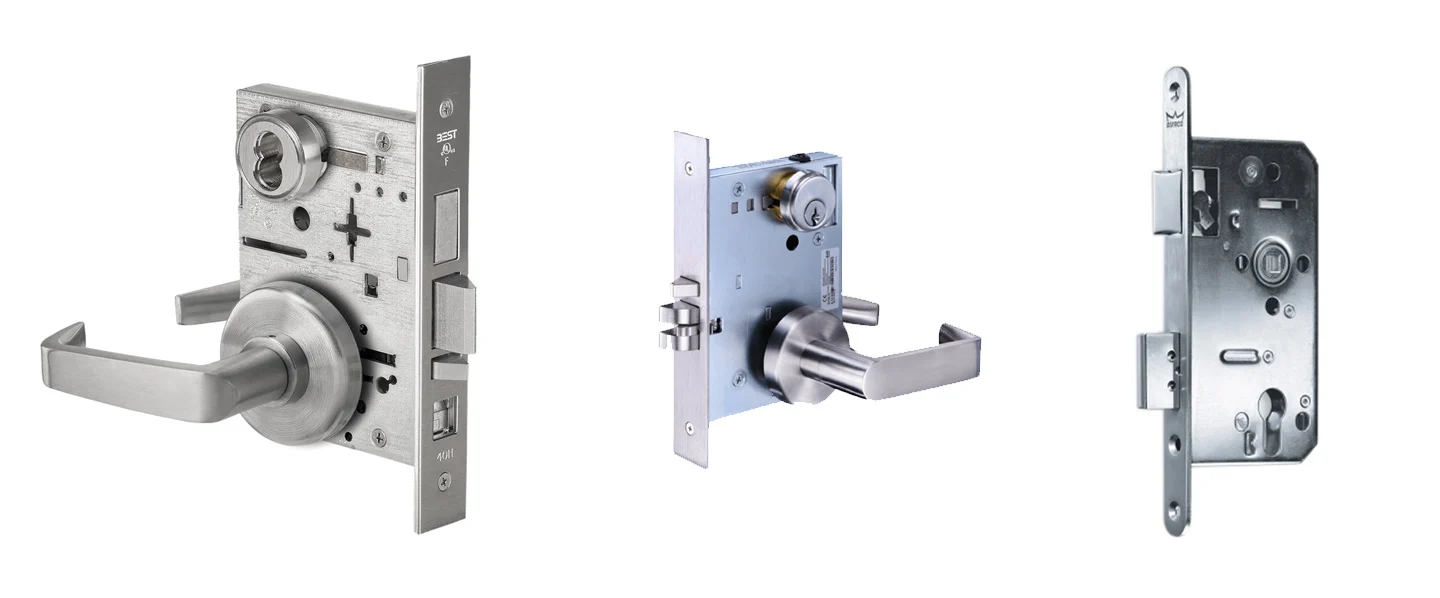
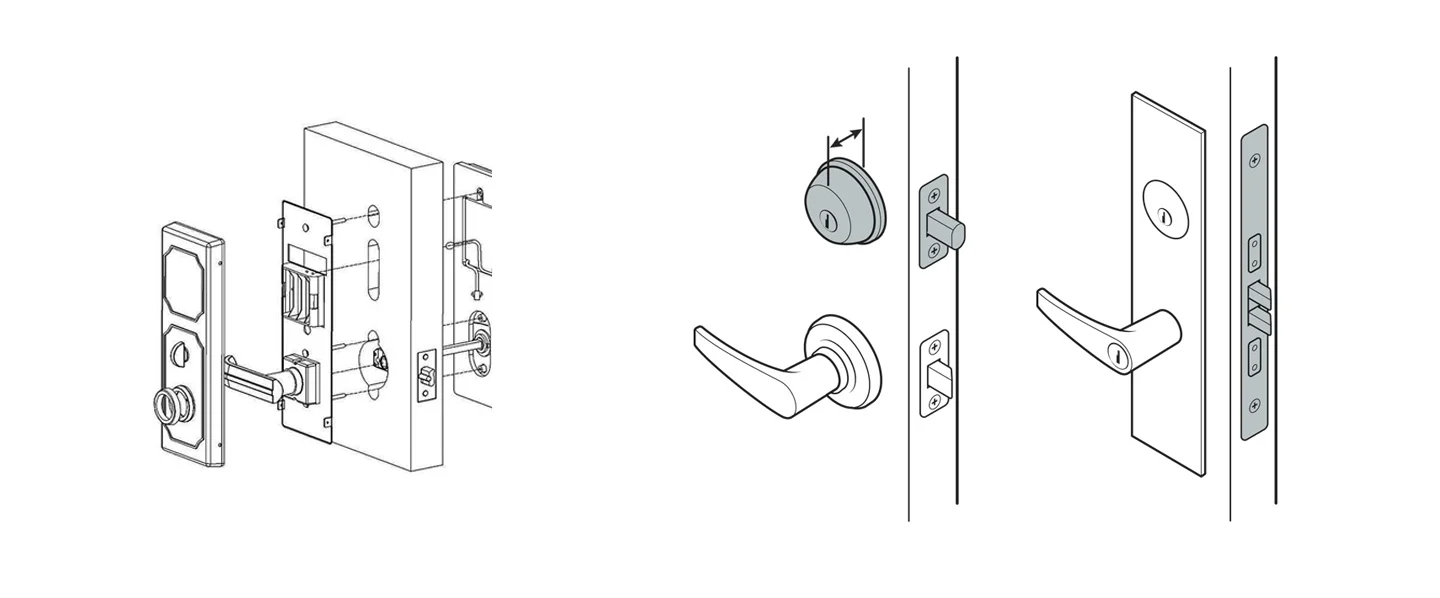
A mortise lock is a locking mechanism installed into a pocket (called a “mortise”) cut into the edge of the door. Unlike surface-mounted or bore-installed locks, the entire lock body sits inside the door slab, creating a reinforced structural anchor.
Mortise Lock Internal Structure
The defining characteristic of a mortise lock is its boxed lock body. Inside this housing, you typically find:
A spring latch bolt
A separate deadbolt (in many configurations)
Independent spindle mechanisms
Reinforced steel housing
Full-length faceplate
Because the lock body is inserted into a carved cavity within the door, force applied to the handle or bolt distributes across the internal box structure rather than relying on a thin tubular latch.
Mortise locks are often compatible with multi-point locking systems and heavy-duty handlesets. In commercial-grade hardware, mortise lock bodies are commonly manufactured to meet ANSI/BHMA A156.2 standards. Grade 1 certified mortise locks are tested for:
800,000+ operating cycles
Multiple door impact tests
High torque and force resistance
(Source: Builders Hardware Manufacturers Association – BHMA Standards)
This level of testing explains why mortise platforms dominate commercial buildings, fire-rated doors, and high-traffic environments.
Why Mortise Locks Are Used in Commercial & High-End Doors
Mortise locks are typically installed in:
Commercial office doors
Hospitality projects
Luxury residential entry doors
Solid wood or metal doors (40–60mm thickness or more)
Because the structure sits inside the door slab, it improves load distribution during forced entry attempts. The internal housing absorbs impact rather than allowing the bolt assembly to twist under pressure.
When discussing mortise vs cylindrical lock performance in high-security environments, structural integrity is often the deciding factor.
What Is a Cylindrical (Tubular) Lock?
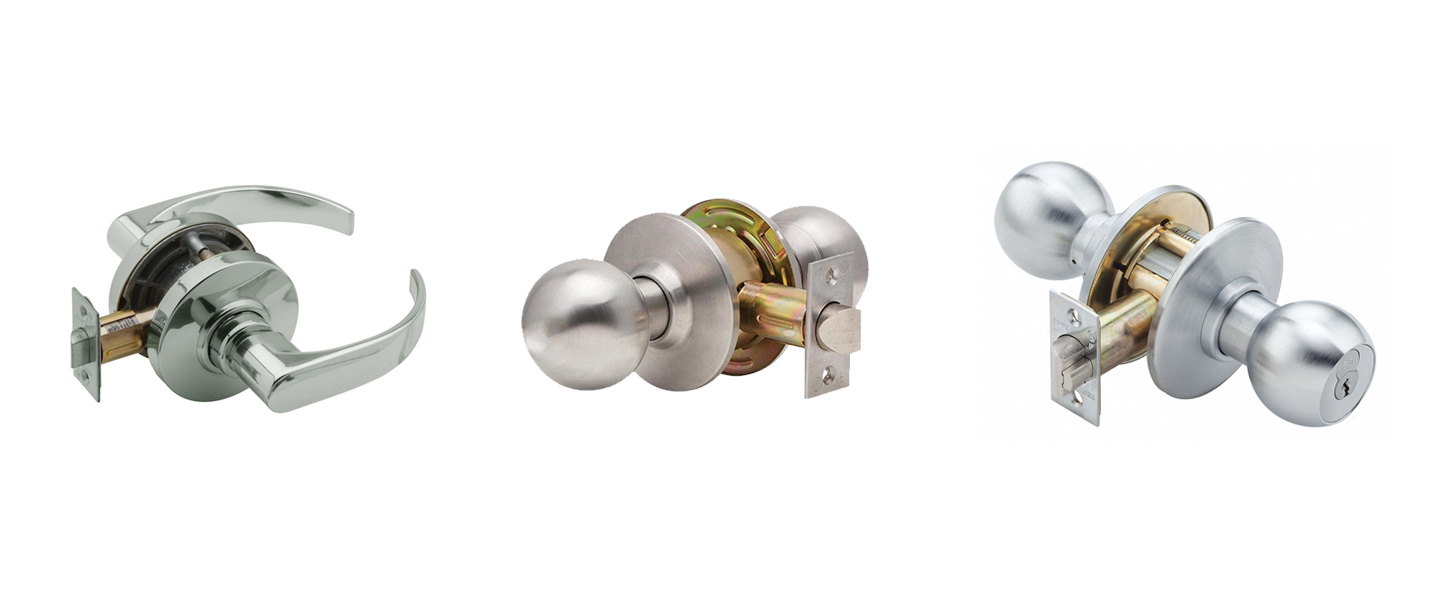
A cylindrical lock — also known as a tubular lockset — is installed through a cross-bore hole drilled through the face of the door. In North America, the most common bore size is 2-1/8 inches (54mm), with a standard backset of either 2-3/8 or 2-3/4 inches.
Unlike a mortise system, the cylindrical lock does not require cutting a pocket into the door edge. Instead, a tubular latch slides into a smaller edge bore and connects to the main lock body through the central spindle.
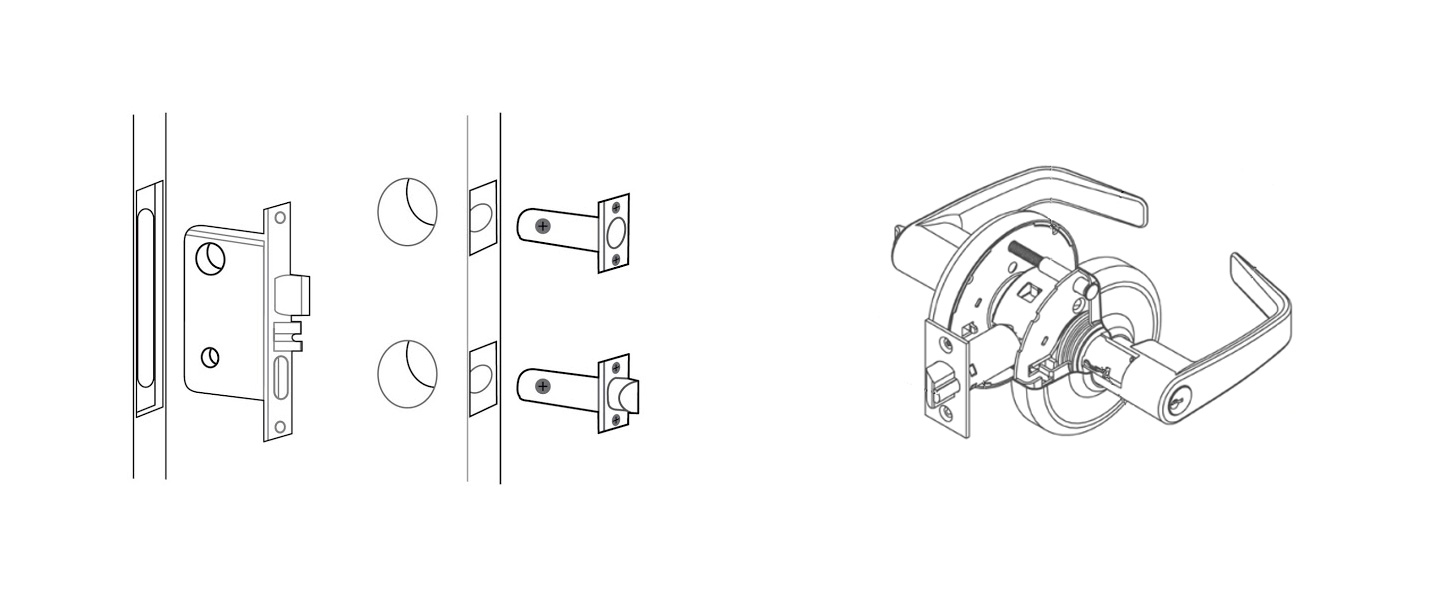
Cylindrical Lock Structure
The cylindrical platform consists of:
Cross-bore housing
Tubular latch mechanism
Central spindle connection
Exterior and interior trim assemblies
Because the mechanism relies on the integrity of the bore hole and mounting screws, structural resistance is inherently limited by the door material around the bore.
Cylindrical locks are widely used in residential interior doors due to:
Lower installation complexity
Faster retrofit capability
Lower hardware cost
Compatibility with lightweight door slabs
When comparing cylinder lock vs mortise lock, cylindrical platforms prioritize ease of installation over structural robustness.
Mortise vs Cylindrical Lock: Structural Comparison
Below is a direct structural comparison between the two systems:
| Feature | Mortise Lock | Cylindrical (Tubular) Lock |
|---|---|---|
Installation Type |
Pocket cut (mortise cavity) |
Cross bore hole |
Structural Core |
Full internal lock box |
Tubular latch assembly |
Force Distribution |
Distributed across housing |
Concentrated at bore |
Door Thickness Compatibility |
40–60mm+ common |
35–45mm typical |
ANSI Commercial Grade |
Frequently Grade 1 |
Often Grade 2 or 3 |
Retrofit Difficulty |
Moderate to complex |
Easy |
Internal Space for Smart Components |
Larger cavity |
Limited bore volume |
Typical Application |
Commercial & entry doors |
Residential interior |
The most critical structural difference lies in how force is transferred during operation or impact. In a mortise configuration, torque applied to the handle spreads through the lock box embedded inside the door. In cylindrical systems, stress concentrates around the central bore, making the surrounding wood or metal structure the primary resistance point.
This structural distinction is central to the ongoing mortise lock vs cylindrical lock debate — particularly when upgrading to smart platforms.
Installation Differences: Door Preparation & Retrofit Complexity
One of the clearest distinctions between mortise vs cylindrical lock systems is the preparation required before installation.
Door Preparation Requirements
Mortise installation requires:
Precision pocket cutting
Correct cavity depth alignment
Faceplate routing
Reinforced strike alignment
Improper cavity sizing can compromise the door’s structural integrity.
Cylindrical installation requires:
Standard cross-bore drilling
Latch bore alignment
Minimal edge modification
Because the bore sizes are standardized in many regions, cylindrical locks are often chosen for retrofit projects where speed and labor cost control are priorities.
Labor & Cost Considerations
From a contractor’s perspective:
Mortise installation requires skilled carpentry or pre-prepared doors
Cylindrical installation can often be completed within minutes
This explains why residential developers frequently choose cylindrical platforms for interior doors, while commercial contractors favor mortise structures for main entries.
However, installation simplicity should not be confused with long-term durability — a distinction that becomes even more important when integrating smart locking technologies.
Security & Durability: Which Structure Performs Better?
When evaluating mortise lock vs cylindrical lock systems from a structural engineering perspective, the key variables are torque resistance, impact distribution, and internal component rigidity.
Forced Entry Resistance
Mortise locks generally perform better under forced entry attempts for three structural reasons:
Encased Lock Body – The boxed housing distributes load across a larger internal surface area.
Independent Deadbolt Mechanism – Many mortise configurations separate latch and deadbolt functions.
Reinforced Faceplate Support – Full-length faceplates provide added edge reinforcement.
In contrast, cylindrical locks depend heavily on:
The strength of the door material around the cross bore
Through-bolt mounting screw tension
Tubular latch thickness
Under heavy torque or prying force, stress concentrates at the bore opening rather than being absorbed internally.
This structural difference is one of the primary reasons mortise platforms are frequently selected for commercial-grade environments.
Durability Cycles
Commercial mortise locks are often manufactured to meet ANSI Grade 1 standards (800,000+ cycles). Cylindrical locks can also achieve high ratings, but many residential-grade models fall into Grade 2 or 3 categories.
The difference is not merely certification — it reflects internal material thickness, spring design, and bolt reinforcement.
When discussing mortise vs cylindrical lock durability in long-term commercial use, the internal lock body construction is the deciding factor.
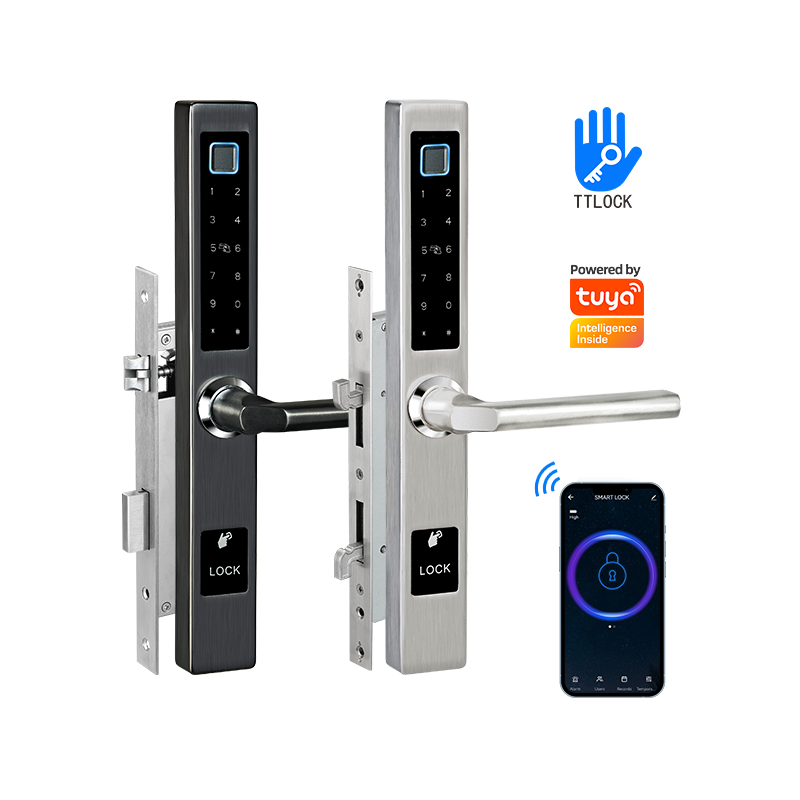
Smart Lock Integration: Structural Capacity Matters
The conversation becomes even more critical when transitioning from mechanical locks to smart lock platforms.
A smart lock is not simply a digital overlay — it requires internal space for:
Motors
Gear assemblies
PCB boards
Battery modules
Wiring channels
Biometric modules (in some cases)
Why Mortise Platforms Are Often Preferred for Smart Locks
Mortise-based smart locks benefit from:
Larger internal cavity volume
Separate motor control for latch and deadbolt
Improved load-bearing for heavy front assemblies
Better compatibility with multi-point locking
Because the lock body is already embedded inside the door, manufacturers can integrate dual-motor systems or reinforced deadbolt drives without compromising structural stability.
In higher-end smart entry systems — especially those incorporating face recognition or multi-factor authentication — the mortise structure provides greater engineering flexibility.
For a complete breakdown of smart lock structural architectures and integration pathways, explore our Complete Smart Door Lock Architecture Guide.
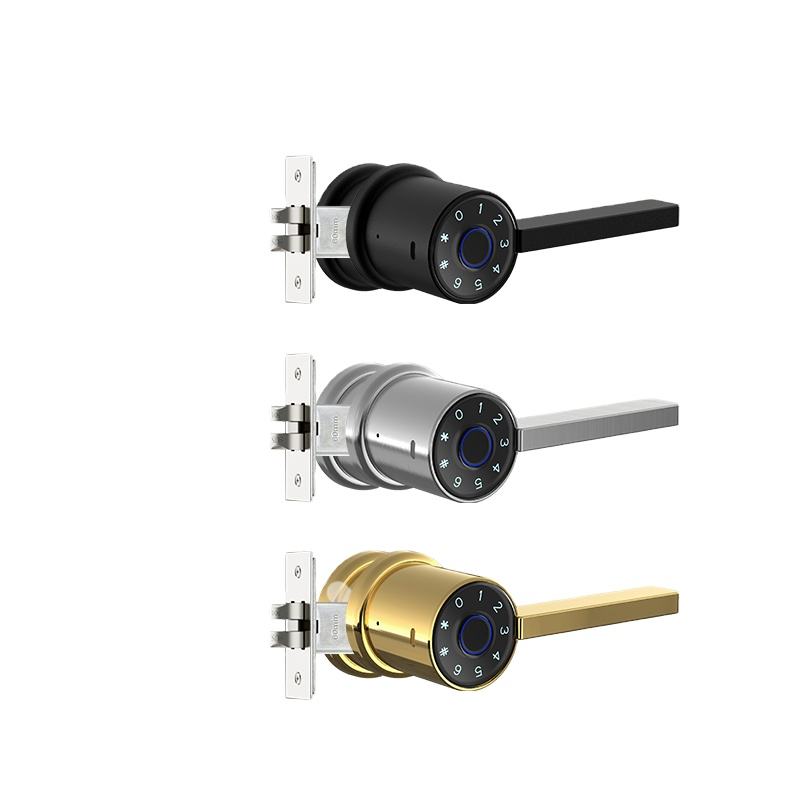
Limitations of Cylindrical Smart Locks
Cylindrical smart locks are popular for retrofit markets due to their compatibility with standard bore sizes. However, structural constraints include:
Limited internal depth
Smaller motor assemblies
Typically single-bolt actuation
Less space for thermal management
When evaluating mortise lock vs cylindrical lock platforms for smart integration, the cylindrical format prioritizes ease of replacement over engineering expansion capacity.
This distinction is particularly important for developers planning scalable smart access systems rather than one-time upgrades.
Cost Differences & Lifecycle Value
Initial hardware pricing often favors cylindrical locks. Installation cost is also lower due to simplified preparation.
However, total lifecycle cost includes:
Replacement frequency
Maintenance cycles
Upgrade flexibility
Structural wear over time
Mortise locks, while more expensive upfront, typically demonstrate longer service life in high-traffic environments. In commercial buildings, properly maintained mortise systems can operate for 10–20 years.
Cylindrical locks are widely suitable for:
Interior residential doors
Low-frequency access points
Budget-sensitive developments
The decision between cylinder lock vs mortise lock should therefore consider long-term use intensity rather than initial hardware price alone.
Application Decision Matrix: When to Choose Each Type
Below is a simplified decision framework:
Choose Mortise If:
Door is solid wood or metal (40mm+)
Entry point requires high structural security
Commercial or hospitality project
Planning advanced smart lock integration
Multi-point locking compatibility required
Choose Cylindrical If:
Standard bore door preparation already exists
Interior residential application
Retrofit with minimal modification
Budget-sensitive installation
Low traffic usage
Understanding mortise vs cylindrical lock differences is not about identifying a universally “better” option — it is about matching structural design to application environment.
Frequently Asked Questions
What is the difference between mortise and cylindrical locks?
A mortise lock is installed into a pocket cut into the door edge and contains a boxed internal body. A cylindrical lock is installed through a cross-bore hole and uses a tubular latch assembly.
Is a mortise lock more secure?
Structurally, mortise locks typically offer better force distribution and internal reinforcement, making them more resistant to heavy impact or prying attempts.
Can I replace a cylindrical lock with a mortise lock?
Only if the door is modified to create a mortise cavity. This usually requires professional door preparation.
Why are mortise locks more expensive?
They require more material, more complex manufacturing, and more labor-intensive installation.
Are cylindrical locks strong enough for main entry doors?
High-quality cylindrical locks can perform adequately for residential main doors, but commercial environments often favor mortise systems for structural durability.
What is the difference between cylindrical and tubular locksets?
There is no functional difference — “tubular lockset” is another term for cylindrical lock.
Which lock type works better for smart locks?
Mortise platforms generally provide more internal space and better structural support for advanced smart lock assemblies.
Do mortise locks require professional installation?
In most cases, yes — especially for doors that are not pre-prepared with a mortise cavity.
Conclusion: Structural Engineering Determines Smart Lock Performance
The comparison between mortise lock vs cylindrical lock systems extends far beyond installation style. It influences durability, forced-entry resistance, upgrade flexibility, and smart integration potential.
For interior residential doors or fast retrofits, cylindrical locks remain practical and cost-effective. For high-traffic, commercial, or advanced smart entry applications, mortise platforms provide superior structural capacity.
Choosing the correct structural foundation ensures that smart technology performs reliably over time — rather than being limited by mechanical constraints.
For a broader technical overview of structural platforms, compatibility, and system-level architecture, visit our Smart Door Lock Portfolio.
Technical Consultation
If you are evaluating structural platforms for smart lock deployment in residential or commercial projects, our engineering team can assist with:
Door compatibility assessment
Structural feasibility analysis
Smart lock integration planning
Lifecycle cost evaluation
high-traffic commercial. Full OEM/ODM technical support.